Morning Meditation With Mindful Movement is the perfect way to kickstart your day, blending relaxation and movement for a powerful morning routine. This practice not only helps you find your center but also boosts your physical health and mental clarity, setting a positive tone for the rest of your day. Imagine waking up, taking a deep breath, and flowing through gentle movements that awaken your body and mind—this is what morning meditation paired with mindful movement is all about.
By understanding and incorporating this practice into your routine, you can experience a myriad of benefits, from reduced stress to improved focus. Whether it’s yoga, tai chi, or simple stretching, each mindful movement enhances your meditation experience, creating a harmonious blend that nurtures both body and spirit.
Understanding the Concept of Morning Meditation with Mindful Movement
Morning meditation combined with mindful movement is a transformative practice that sets a positive tone for the day ahead. This approach uniquely blends the stillness of meditation with the dynamic quality of mindful movement, creating a holistic routine that nurtures both the mind and body. By integrating these two elements, individuals can cultivate a sense of presence and awareness that enhances their overall well-being.The significance of this practice lies in its ability to harmonize physical and mental health.
Morning meditation encourages clarity and focus, while mindful movement stimulates the body, promoting energy flow and vitality. Engaging in these practices together can help reduce stress, improve concentration, and foster emotional resilience. Research shows that individuals who participate in morning meditation and mindful movement experience lower levels of anxiety and depression, alongside increased feelings of happiness and fulfillment.
Forms of Mindful Movement That Pair Well with Meditation
Incorporating mindful movement into your morning routine can take various forms, each offering unique benefits. Here are some popular methods that complement meditation beautifully:
- Yoga: Combining breath control, meditation, and physical postures, yoga stimulates both relaxation and strength. Poses like Downward Dog and Child’s Pose encourage mindfulness while enhancing flexibility and energy.
- Tai Chi: Often referred to as “meditation in motion,” Tai Chi involves slow, flowing movements that promote balance and mental clarity. This practice focuses on the connection between mind and body, enhancing overall tranquility.
- Walking Meditation: This involves slow, deliberate walking while being fully present in the moment. The rhythm of your steps can act as a form of mindfulness, grounding you in your surroundings and enhancing awareness.
- Dance: Engaging in freeform or guided dance encourages self-expression and joy. Moving to music not only elevates mood but also helps release pent-up energy, creating a sense of liberation.
- Qigong: Similar to Tai Chi, Qigong combines gentle movements, breath control, and meditation. This practice enhances physical health by promoting the flow of vital energy, or “Qi,” throughout the body.
Each of these mindful movement practices can seamlessly integrate with morning meditation, allowing individuals to cultivate a deeper sense of awareness, connection, and vitality in their daily lives. By starting the day with this dual approach, one can experience heightened mental clarity, emotional balance, and overall well-being.
The Benefits of Incorporating Mindful Movement into Morning Meditation: Morning Meditation With Mindful Movement
Morning meditation is often celebrated for its ability to enhance mental clarity and emotional stability. When you weave mindful movement into this practice, you not only deepen your meditation experience but also unlock a host of physiological and psychological benefits that set a positive tone for your entire day. This combination engages the body, mind, and spirit, fostering a holistic approach to wellness.Mindful movement allows you to connect with your body in a dynamic way, enhancing the benefits of stillness that traditional meditation offers.
When you incorporate gentle movements—like yoga or tai chi—into your morning routine, you promote blood circulation, improve flexibility, and boost overall physical health. This physical engagement can lead to increased energy levels and promote a sense of well-being, making it easier to face the day’s challenges. Furthermore, studies have shown that moving mindfully can significantly lower cortisol levels, leading to reduced stress and anxiety.
Physiological and Psychological Benefits, Morning Meditation With Mindful Movement
Integrating mindful movement into your morning meditation yields numerous benefits that affect both body and mind. Here are some key points to consider:
- Enhanced Blood Flow: Engaging in mindful movement increases circulation, delivering more oxygen to your muscles and brain, which can enhance cognitive function and alertness throughout the day.
- Improved Flexibility and Strength: Gentle movements not only help maintain physical health but also increase strength and flexibility, contributing to overall fitness and reducing the risk of injury.
- Stress Reduction: Mindful movement techniques have been shown to lower stress hormones. This leads to a calmer mind, making it easier to focus on the present moment.
- Increased Focus: Physical activity stimulates the brain, which can enhance concentration and clarity, allowing for better engagement with meditative practices.
Incorporating mindful movement into meditation creates a more profound practice than traditional meditation alone. While seated meditation emphasizes breath and stillness, adding movement invites the body to actively participate in the process. This can make meditation more accessible, especially for those who find it challenging to sit still for extended periods. The combination encourages a deeper awareness of both the body and mind, promoting a more integrated sense of self.
“Movement is the song of the body; meditation is the silence that reveals its essence.”
In addition to these benefits, mindful movement can help establish a routine that blends physical activity with mental clarity. People who practice this combined method often report feeling more grounded and present, which enhances their overall quality of life. As a tangible example, many yoga practitioners note an increase in their ability to manage daily stressors after incorporating mindful movement into their meditation practice.
Creating a Personalized Morning Meditation with Mindful Movement Routine
Crafting a personalized morning meditation routine that incorporates mindful movement can be a transformative experience. This guide is designed to help you establish a routine that is tailored to your unique needs and goals, allowing for a harmonious blend of mindfulness and physical awareness. By following these steps, you can enhance your mornings, setting a positive tone for the rest of your day.Creating your routine begins with understanding your individual needs and preferences.
Consider the time you have available, your physical abilities, and what you hope to achieve through your practice. Whether it’s reducing stress, increasing focus, or improving flexibility, defining your goals will guide your choices throughout this process.
Step-by-Step Guide to Crafting Your Routine
To develop an effective morning meditation with mindful movement routine, follow these essential steps:
1. Set Clear Intentions
Start by writing down what you want to achieve through your practice. This could range from enhancing your overall well-being to specific outcomes like improved concentration or physical health.
2. Explore Different Techniques
Research and experiment with various mindful movement practices. Options include yoga, tai chi, qigong, or even simple stretching. Each has unique benefits that can cater to your goals.
3. Determine Session Length
Decide how much time you can dedicate each morning. Start with shorter sessions, perhaps 10-15 minutes, and gradually increase as you become more comfortable.
4. Create a Flow
Design a sequence of movements or postures that resonate with you. For example, you could start with gentle stretches, followed by a mindfulness meditation, and conclude with deep breathing exercises.
5. Incorporate Mindfulness
While engaging in movement, focus on your breath and bodily sensations. This connection enhances the meditative aspect, fostering a deeper sense of awareness.
6. Reflect and Adjust
After a few weeks of practice, evaluate how the routine serves your needs. Make adjustments as necessary to keep the practice engaging and effective.
Selecting the Right Environment
The environment you choose for your morning practice significantly impacts your experience. A calm, inviting space can enhance focus and relaxation. Consider the following aspects when setting up your meditation area:
Quietness
Select a location that minimizes distractions. A quiet corner of your home, a garden, or a balcony can work well.
Comfort
Ensure the space is comfortable, with enough room to move freely. A yoga mat or soft surface can provide a comfortable foundation.
Natural Elements
Incorporating plants or natural light can significantly enhance your space’s tranquility. The presence of nature often promotes calmness and connection.
Personal Touches
Add elements that inspire you, such as candles, crystals, or artwork. These can help create a sacred atmosphere conducive to meditation.
Designing a Consistent Schedule
Consistency is key to reaping the benefits of your morning meditation and movement routine. Establishing a reliable schedule can help integrate this practice seamlessly into your daily life. Here are some tips for designing that schedule:
Choose a Specific Time
Identify a time that works best for you, ideally in the morning when your mind is still fresh. This could be after waking up or following a morning beverage.
Set Reminders
Use alarms or notes to remind you to practice. Visual cues can also help reinforce your commitment.
Start Small
Initially commit to practicing on specific days of the week. As you become more comfortable, increase the frequency.
Plan for Flexibility
Life happens, so be open to adjusting your schedule when necessary. The goal is to maintain consistency without adding stress.
Track Progress
Consider keeping a journal to log your experiences, feelings, and any changes you notice. This reflection can motivate you to continue your practice.
“Establishing a consistent routine cultivates discipline, leading to a deeper, more meaningful practice.”
Exploring Different Techniques of Mindful Movement Suitable for Morning Meditation
Mindful movement is a powerful practice that harmonizes body and mind, especially when performed in the gentle embrace of the morning. Integrating mindful movement techniques into morning meditation can enhance focus, promote relaxation, and prepare the body for the day ahead. Various practices such as yoga, tai chi, and qigong each offer unique characteristics that can deepen meditation and create a sense of well-being.
Overview of Mindful Movement Techniques
Understanding different techniques of mindful movement is essential for selecting the right practice for your morning routine. Each technique has its own philosophy, movements, and benefits that can amplify meditation. Below are three notable techniques along with their specific movements that facilitate deeper states of meditation.
- Yoga: This ancient practice combines physical postures, breath control, and meditation. It is known for its ability to enhance flexibility and strength while promoting mental clarity. Key movements include:
“Downward Dog” helps in grounding the body and calming the mind.
“Child’s Pose” is excellent for relaxation and introspection.
- Tai Chi: Often described as “meditation in motion,” tai chi consists of slow, flowing movements that encourage balance and concentration. Notable movements include:
“Parting the Wild Horse’s Mane” fosters a sense of flow and connection to the earth.
“Wave Hands Like Clouds” promotes relaxation and mental clarity.
- Qigong: This practice integrates gentle movements, breathing techniques, and focused intention to cultivate and balance life energy (Qi). Important movements include:
“Gathering Qi” encourages energy flow throughout the body.
“Pushing the Waves” helps release tension and enhances mindfulness.
The integration of these movements into morning meditation not only prepares the body but also enhances overall awareness of the present moment, allowing for a more profound meditative experience. Each technique offers its own set of benefits, making it accessible for practitioners of all levels, whether you seek physical health, mental clarity, or emotional balance.
Overcoming Challenges in Practicing Morning Meditation with Mindful Movement
Starting a morning meditation routine that incorporates mindful movement can be incredibly rewarding, but it’s not without its hurdles. Many people find themselves facing various challenges when embarking on this journey. Recognizing these obstacles and having strategies to overcome them is crucial for establishing a sustainable practice.One of the most common obstacles is finding the time to meditate. With busy schedules and demanding responsibilities, mornings can often feel rushed.
However, integrating mindful movement doesn’t have to take a lot of time. It’s about creating a routine that fits your lifestyle. Setting aside just 10-15 minutes each morning can be a powerful way to start the day.
Common Obstacles and Solutions
Understanding the specific barriers that may impede your meditation practice can help in developing effective solutions. Here are some common challenges and practical strategies to address them:
- Lack of Time: Mornings are often hectic, leading to limited opportunities for meditation. To overcome this, consider waking up just 15 minutes earlier. This small adjustment can provide the space needed for a fulfilling practice without overhauling your entire morning routine.
- Difficulty in Focusing: Many beginners struggle with maintaining focus during meditation due to racing thoughts. Incorporating gentle movements, like stretching or yoga, can help ground your mind. It creates a connection between your body and breath, making it easier to center your thoughts.
- Physical Discomfort: Some individuals may experience discomfort during meditation, especially if they’re not used to sitting for long periods. Adapting the practice to include seated stretches or using props, like cushions or blocks, can enhance comfort and accessibility.
- Loss of Motivation: It’s common to feel motivated at first but to lose steam over time. Keeping a meditation journal can help track your progress, feelings, and experiences. This reflection can serve as a motivator to continue your practice.
Maintaining Motivation and Commitment
Staying motivated in a meditation practice can be challenging, but there are several strategies that can help keep the momentum going. One effective way to maintain commitment is to create a consistent schedule. Setting a specific time each morning for your practice creates a ritual that is easier to stick to. Additionally, joining a community or finding a meditation partner can provide accountability.
Sharing experiences and challenges with others can offer encouragement and new perspectives.Another strategy is to mix up your routine to keep it fresh and engaging. Incorporating different forms of mindful movement such as tai chi, qigong, or even a simple walk can rejuvenate your practice. Variety not only prevents boredom but also deepens the experience and helps with discovering what works best for you.
“Consistency over perfection is key in building a lasting meditation practice.”
Adapting Practices for Varying Levels of Physical Ability
Mindful movement can be inclusive and adaptable, making it accessible to individuals of all physical abilities. It’s essential to recognize that every person’s journey is unique, and the practice can be modified to meet individual needs.For those with limited mobility, seated meditative movements can be incredibly beneficial. Simple arm and torso stretches done while seated can still offer the benefits of mindful movement without requiring full body mobility.
For individuals with more experience, incorporating balance exercises or standing postures can enhance the practice. It’s about listening to your body and adjusting the intensity and type of movement to what feels right for you.In summary, recognizing and addressing the common obstacles in practicing morning meditation with mindful movement is crucial for establishing a sustainable routine. By employing practical strategies to maintain motivation and adapting practices to various physical abilities, anyone can cultivate a fulfilling and enriching meditation experience.
Incorporating Breathwork into Morning Meditation with Mindful Movement
Integrating breathwork into your morning meditation routine can elevate your practice, enhancing both focus and energy. By consciously controlling your breath, you can deepen your state of relaxation and connect more profoundly with your movements. This powerful combination fosters a more mindful experience, setting a positive tone for the day ahead.Breathwork plays a crucial role in meditation and mindful movement by acting as a bridge between the mind and body.
It helps to ground your thoughts, calm your nervous system, and enhance your overall awareness. When you pay attention to your breath, you create a rhythm that can synchronize with your movements, leading to a more cohesive practice. Here’s how you can incorporate breath control techniques into your morning meditation.
Breath Control Techniques for Your Routine
Understanding and practicing different breath control techniques is essential for maximizing the benefits of your morning session. Here are several techniques that can be seamlessly integrated into your routine:
- Diaphragmatic Breathing: This technique involves breathing deeply into your abdomen, allowing your diaphragm to expand fully. It promotes relaxation and reduces stress, making it ideal for starting your day on a calm note.
- Box Breathing: A structured method where you inhale for a count of four, hold for four, exhale for four, and hold again for four. This technique enhances focus and can help clear your mind before diving into movement.
- Alternate Nostril Breathing: This practice balances the body’s energy channels by inhaling and exhaling through alternate nostrils. It is particularly effective for creating a sense of calm and improving mental clarity.
- 4-7-8 Breathing: Inhale for a count of four, hold for seven, and exhale slowly for eight. This method promotes relaxation and is great for transitioning into meditation.
Synchronized breathing can significantly enhance your overall experience during meditation and movement practices. By aligning your breath with your movements, you create a flow that not only feels natural but also helps maintain focus. For example, if you are doing a gentle yoga flow, inhale as you lift your arms overhead, and exhale as you fold forward. This aligns your physical movements with your breath, creating a harmonious rhythm that deepens your meditation practice.
Breath is the link between the body and mind. When you control your breath, you control your state of being.
Incorporating these breath control techniques into your morning routine can transform your meditation and movement practice, making it more intentional and impactful. By being mindful of your breath, you foster a deeper connection with yourself, allowing for a more enriching experience as you start each day.
Evaluating Progress and Benefits of Morning Meditation with Mindful Movement
Morning meditation combined with mindful movement can significantly enhance both physical and mental well-being. However, to truly appreciate the transformation that occurs over time, it’s essential to evaluate your progress and the benefits gained from this practice. Tracking changes allows you to adapt and improve your routine based on personal experiences and outcomes.Evaluating progress involves not just the practice itself but also a structured approach to understand the benefits that arise from it.
Establishing a tracking system can illuminate the positive changes in your life, making it easier to sustain motivation and commitment.
Tracking Personal Progress
Creating a structure for tracking your progress can provide valuable insights into your meditation and movement practices. This can be done through various methods, and it’s important to find one that resonates with you. Here are some effective ways to keep tabs on your journey:
- Daily Journal: Maintain a journal where you record your feelings, experiences, and any physical changes after each session. Aim for consistency, jotting down not just what you did, but how you felt before and after.
- Progress Photos: Take photos regularly to visually track changes in your body posture and movement. This can serve as a motivational tool as you see the evolution over time.
- Physical Assessments: Periodically evaluate your flexibility, strength, and endurance through simple exercises. Note improvements in your performance to gauge physical benefits.
- Mood Tracking: Use apps or mood charts to monitor your emotional state before and after your practices. This can help highlight mental improvements that come with regular meditation and movement.
Methods for Self-Reflection and Assessment
Self-reflection is key to understanding the impact of morning meditation with mindful movement. It allows you to assess both physical and mental improvements. Here are methods to facilitate this process:
- Weekly Reflection: Set aside time each week to review your journal entries. Reflect on changes in emotions, thoughts, and physical sensations.
- Mindfulness Check-Ins: During your practice, take moments to assess how your mind and body feel. Are there areas of tension? Are you feeling more relaxed? This immediate feedback loop helps in understanding progress in real-time.
- Goal Setting: Establish short-term and long-term goals related to your practice. Regularly revisit these goals to see if you’re moving closer, and adjust them based on your reflections.
Adapting the Routine Based on Self-Evaluation
The importance of adapting your routine based on self-evaluation results cannot be overstated. As you track your progress and reflect on your experiences, it may become clear that changes are necessary to maximize benefits. Here’s how to approach this adjustment:
- Identify Patterns: Look for recurring themes in your reflections. If you notice that certain techniques lead to more significant benefits, consider incorporating them more frequently.
- Adjust Intensity: Based on your physical assessments, modify the intensity of your movements. If you feel stronger, challenge yourself with more complex movements; if you’re fatigued, scale back to ensure recovery.
- Vary Techniques: Introduce new meditation styles or movement patterns to keep the practice fresh and engage different muscle groups or mental processes.
Regular self-evaluation ensures that your practice remains aligned with your evolving needs and goals, allowing for continual growth and improvement.
Closure
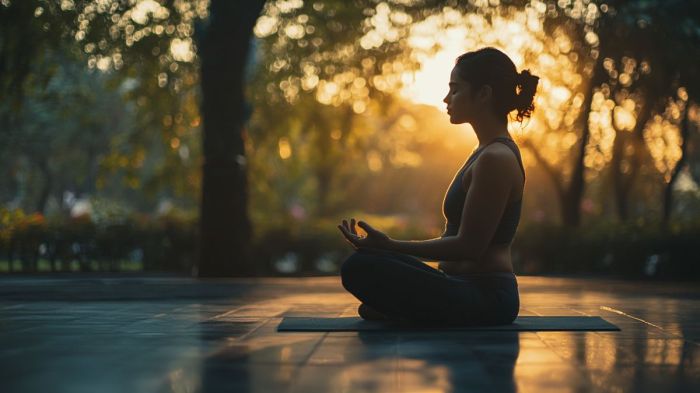
In conclusion, embracing Morning Meditation With Mindful Movement is not just about finding time to practice; it’s about creating a lifestyle that promotes well-being and mindfulness. As you develop your personalized routine, remember to celebrate the small victories and adapt your practice as needed. The journey of self-discovery and improvement is ongoing, and with mindful movement integrated into your mornings, you’re setting yourself up for success, clarity, and serenity throughout the day.
Expert Answers
What is the best time for morning meditation?
The best time is early in the morning when your mind is fresh and it’s relatively quiet, allowing for focus and tranquility.
Can I practice mindful movement without prior experience?
Absolutely! Mindful movement is accessible to everyone, and you can start with simple movements and gradually explore more complex techniques.
Do I need special equipment for this practice?
No special equipment is required, but having a comfortable mat or a quiet space can enhance your experience.
How long should I practice each morning?
Starting with just 10-15 minutes can be effective; you can gradually increase the time as you become more comfortable with the practice.
Can I combine this practice with other forms of exercise?
Yes, combining mindful movement with other forms of exercise can create a balanced routine, just ensure to maintain mindfulness throughout.