Mindfulness Based Stress Reduction Meditation Overview dives into the transformative journey of mindfulness, exploring its roots and modern applications. This practice, originally popularized by Jon Kabat-Zinn, has evolved into a powerful tool for managing stress and enhancing overall well-being. With a mix of historical insights and practical strategies, it invites everyone—whether a beginner or seasoned practitioner—to discover the profound benefits of mindfulness meditation.
From understanding its foundational principles to discovering how core elements like body awareness and breath focus contribute to stress relief, this overview serves as a guide to enriching your mental health and daily life. Whether you’re curious about the neurobiological changes that occur with consistent practice or practical steps to implement MBSR into your routine, there’s something here for everyone.
Mindfulness Based Stress Reduction Meditation’s Historical Context
Mindfulness Based Stress Reduction (MBSR) has become a cornerstone in the field of mental health and wellness, but its roots stretch deep into the ancient practices of meditation and mindfulness. The approach combines elements of Buddhist meditation with Western psychology, creating a unique blend that has resonated with countless individuals seeking relief from stress and anxiety. Understanding its historical context helps us appreciate the evolution and significance of MBSR in contemporary society.The origins of MBSR can be traced back to the late 1970s when Jon Kabat-Zinn, a molecular biologist and meditation practitioner, founded the Stress Reduction Clinic at the University of Massachusetts.
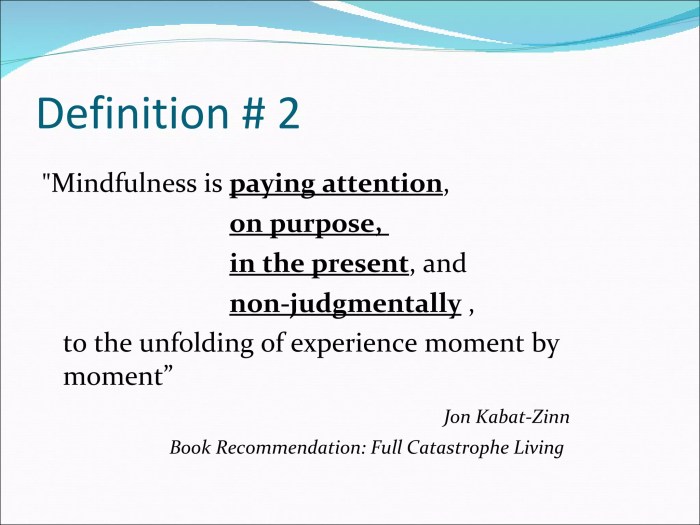
Kabat-Zinn’s work was inspired by a desire to integrate mindfulness practices into Western medicine, particularly to help patients dealing with chronic pain and stress-related conditions. His pioneering efforts emphasized the importance of being present in the moment, cultivating awareness, and practicing self-compassion, which became foundational principles of MBSR.
Role of Jon Kabat-Zinn in Popularizing MBSR
Jon Kabat-Zinn’s influence on the spread of MBSR cannot be overstated. His innovative program was the first of its kind to systematically study the effects of mindfulness meditation on physical and mental health. Kabat-Zinn developed an 8-week course that combined mindfulness meditation, body awareness, and gentle yoga, making it accessible to a broad audience beyond just those familiar with Eastern practices.
Through the publication of his book “Full Catastrophe Living” in 1990, Kabat-Zinn reached an even wider audience, presenting MBSR as a practical tool for managing stress and enhancing overall well-being. He conducted numerous studies that demonstrated the efficacy of mindfulness in reducing symptoms of anxiety, depression, and chronic pain. His research paved the way for MBSR to be embraced by healthcare professionals, educators, and therapists, establishing its credibility and importance in modern therapeutic practices.
Significant Studies and Milestones in MBSR Development
The evolution of MBSR has been marked by significant studies and milestones that highlight its impact on mental and physical health. Some key studies include:
- 1982 – First Clinical Trials: Early studies conducted in the 1980s demonstrated the effectiveness of MBSR on patients suffering from chronic pain, showing significant reductions in pain perception and emotional distress.
- 1990s – Expansion to Various Settings: MBSR began to be implemented in hospitals, schools, and corporate environments, highlighting its versatility and adaptability as a stress reduction tool.
- 2003 – Neuroimaging Studies: Groundbreaking research using neuroimaging techniques illustrated the changes in brain structure and function associated with regular mindfulness practice, providing scientific backing to the benefits of MBSR.
- 2010 – Introduction to Various Health Conditions: Research expanded to include MBSR as an intervention for various health issues, such as anxiety, depression, and PTSD, showing its broad applicability.
- 2020 – Global Reach: The COVID-19 pandemic led to a surge in interest in mindfulness practices, with online MBSR courses becoming widely available, making them accessible to a global audience.
The ongoing research and application of MBSR continue to validate its importance and effectiveness, ensuring its place in both mental health therapy and personal wellness practices. Through the work of individuals like Jon Kabat-Zinn and the commitment to rigorous scientific study, MBSR has evolved from a niche practice to a widely recognized and respected approach to stress reduction and mindfulness.
Key Components of Mindfulness Based Stress Reduction Meditation
Mindfulness Based Stress Reduction (MBSR) is a powerful approach that combines mindfulness meditation and stress management techniques. Its core components work in harmony to cultivate awareness, promote relaxation, and enhance overall well-being. By integrating these elements into daily life, individuals can significantly reduce stress and improve mental clarity.The three key components of MBSR include body awareness, breath focus, and mindfulness techniques.
Each plays a vital role in fostering relaxation and resilience against stress. Understanding how these components operate can empower individuals to incorporate them into their routines for a more balanced and peaceful life.
Body Awareness
Body awareness is about tuning into physical sensations and recognizing how stress manifests in the body. This component encourages individuals to notice tension, discomfort, or any other sensations without judgment. Being aware of these feelings helps create a connection between the mind and body, signaling when to relax or adjust one’s posture.
- One effective exercise for enhancing body awareness is the “Body Scan.” In this practice, participants lie down or sit comfortably and mentally scan their body from head to toe, noticing sensations without trying to change them. This exercise cultivates a greater understanding of bodily responses to stress.
- Another practice is “Progressive Muscle Relaxation,” where individuals tense and then relax different muscle groups systematically. This not only helps in recognizing tension but also promotes relaxation throughout the body.
Breath Focus, Mindfulness Based Stress Reduction Meditation Overview
Breath focus centers on the breath as a primary anchor for mindfulness. By consciously regulating breathing patterns, individuals can induce a state of calm and reduce anxiety. This component emphasizes the relationship between breath and emotional states, providing a simple yet powerful tool to combat stress.
- A popular exercise is “Mindful Breathing,” where individuals concentrate on their breath by observing the inhalation and exhalation cycle. This practice encourages redirecting attention away from stressors and brings a sense of immediate relief.
- “Diaphragmatic Breathing” is another technique that involves breathing deeply into the diaphragm rather than shallowly into the chest. This method promotes oxygen flow and activates the body’s relaxation response, reducing the fight-or-flight reaction often triggered by stress.
Mindfulness Techniques
Mindfulness techniques encompass various practices designed to enhance present-moment awareness. These techniques help individuals cultivate a non-judgmental attitude towards their thoughts and feelings, fostering acceptance and reducing reactivity.
- “Mindful Walking” is a technique where individuals walk slowly, paying attention to the sensations of each step and the environment around them. This practice not only serves as physical exercise but also encourages present-moment awareness.
- “Loving-Kindness Meditation” focuses on developing compassion for oneself and others. Participants silently repeat phrases of goodwill, which can help in alleviating stress and fostering positive emotions.
These key components of MBSR provide essential tools for managing stress and enhancing overall wellness.
Psychological Benefits Associated With Mindfulness Based Stress Reduction Meditation
Mindfulness Based Stress Reduction (MBSR) meditation offers a multitude of psychological benefits that can significantly enhance overall mental health. By emphasizing present-moment awareness, MBSR helps individuals cultivate a healthier relationship with their thoughts, emotions, and experiences, leading to a more balanced mental state. The following sections delve into how MBSR can alleviate mental health conditions, supported by research findings and insights into neurobiological changes in the brain.
Impact on Anxiety, Depression, and PTSD
MBSR has been shown to have profound effects on various mental health conditions. Many individuals struggling with anxiety, depression, and PTSD have reported significant improvements following an MBSR program. Research highlights that this meditation technique can lead to:
- Reduction in anxiety symptoms: Studies have indicated that participants in MBSR programs experienced a substantial decrease in anxiety levels, which can be attributed to increased self-awareness and emotional regulation.
- Improved mood and reduction in depression: MBSR has been linked to lower depression scores and an overall enhancement in mood. Regular practitioners often report a greater sense of well-being and emotional resilience.
- Decreased PTSD symptoms: For individuals with PTSD, MBSR can aid in processing traumatic memories and reduce hyperarousal symptoms, leading to a reduced impact of trauma on daily life.
Research supports these observations; for instance, a meta-analysis published in the journalJAMA Internal Medicine* revealed that mindfulness meditation programs, including MBSR, produced moderate evidence of improved anxiety and depression symptoms. Additionally, a study from the University of Massachusetts found that 66% of participants noted a significant reduction in their PTSD symptoms after completing an MBSR course.
Neurobiological Changes in the Brain
Regular practice of mindfulness meditation, including MBSR, can induce notable neurobiological changes within the brain. These changes contribute to the psychological benefits experienced by practitioners:
- Increased gray matter density: Research led by neuroscientists at Harvard University demonstrated that after eight weeks of MBSR practice, participants exhibited increased gray matter density in brain regions associated with emotional regulation, learning, and memory.
- Alterations in the amygdala: The amygdala, a key brain region involved in processing emotions such as fear and stress, shows decreased activity in individuals who practice MBSR. This can lead to reduced feelings of anxiety and better emotional responses.
- Enhanced connectivity within the brain: MBSR fosters improved connectivity between different brain regions, promoting better emotional regulation and cognitive flexibility which are vital for adapting to stressors.
These neurobiological changes reflect how mindfulness meditation can reshape our brain’s structures and functions, ultimately leading to better mental health outcomes and an improved quality of life. By practicing MBSR, individuals not only work on their psychological well-being but also engage in a process that physically transforms their brains for the better.
Practical Steps to Implement Mindfulness Based Stress Reduction Meditation
Getting started with Mindfulness Based Stress Reduction (MBSR) meditation can feel intimidating, but with a clear guide, it becomes much more manageable. MBSR is all about cultivating awareness and reducing stress through mindfulness practices. The following steps will help you ease into this transformative practice and integrate it into your daily life.
Step-by-Step Guide for Beginners
For those new to MBSR meditation, following a structured approach can enhance your experience. Here’s how to begin:
- Find a Quiet Space: Choose a comfortable, quiet space where you won’t be disturbed. This helps create a calming atmosphere.
- Sit Comfortably: Sit in a chair or on the floor with a cushion. Keep your back straight but relaxed. You can also lie down if sitting is uncomfortable.
- Set a Timer: Start with short sessions of 5-10 minutes. Gradually increase the duration as you get more comfortable.
- Focus on Your Breath: Close your eyes and take deep breaths. Focus your attention on the sensation of breathing in and out.
- Notice Distractions: When your mind wanders, gently bring your focus back to your breath without judgment.
- End Your Session: When your timer goes off, take a moment to notice how you feel before opening your eyes and returning to your day.
Preparatory Practices to Enhance Effectiveness
Incorporating preparatory practices can boost the effectiveness of your MBSR sessions. These steps help to establish a supportive routine and mindset:
- Daily Mindfulness: Practicing mindfulness in everyday activities, such as eating or walking, helps reinforce awareness.
- Body Scan: Engage in a body scan meditation before your session. This practice involves mentally scanning your body from head to toe, noting sensations.
- Journaling: Keep a mindfulness journal to reflect on your experiences and feelings related to your practice.
- Gentle Movement: Incorporating yoga or simple stretches helps release physical tension, making it easier to meditate.
Weekly Schedule for MBSR Practices
Creating a consistent schedule is crucial for incorporating MBSR into your life. Here’s a sample weekly plan to get you started:
| Day | Activity | Duration |
|---|---|---|
| Monday | Meditation | 10 minutes |
| Tuesday | Body Scan | 15 minutes |
| Wednesday | Mindful Walking | 20 minutes |
| Thursday | Journaling | 10 minutes |
| Friday | Gentle Yoga | 30 minutes |
| Saturday | Meditation | 15 minutes |
| Sunday | Reflection and Planning | 20 minutes |
Each activity builds on the last, helping you establish a routine that feels natural and enriching. By following this schedule, you can create space for mindfulness and reduce stress throughout your week.
Challenges and Solutions in Practicing Mindfulness Based Stress Reduction Meditation
Practicing Mindfulness Based Stress Reduction (MBSR) can be a rewarding but sometimes challenging journey. Individuals often encounter various obstacles that can hinder their progression and affect their overall experience. Recognizing these challenges is the first step towards overcoming them and enhancing the effectiveness of meditation practices. Below, we’ll delve into some common hurdles participants face and explore practical solutions to make mindfulness a more integral part of daily life.
Common Obstacles in MBSR Practice
Engaging in MBSR can come with several challenges that individuals typically face. Identifying these obstacles early on can help practitioners prepare and develop strategies to deal with them. Here are some of the most frequently encountered difficulties:
- Restlessness: Many individuals struggle with a restless mind during meditation, finding it hard to settle down and focus.
- Time Constraints: Busy lifestyles can make it difficult to carve out dedicated time for meditation.
- Self-Criticism: Practitioners may feel frustrated with their progress or compare themselves negatively to others.
- Physical Discomfort: Sitting for extended periods can lead to discomfort, which can distract from the meditation experience.
- Emotional Resistance: Some may find it challenging to stay with uncomfortable emotions that arise during practice.
Strategies to Overcome Challenges
Addressing the challenges faced during MBSR involves implementing effective strategies tailored to individual needs. Here are some practical solutions to overcome common obstacles:
- Mindful Breathing: When restlessness strikes, return to your breath. Focusing on the rhythm of your inhalation and exhalation can help anchor your thoughts.
- Schedule Regular Sessions: Treat meditation like any important appointment. Set aside specific times for practice, and consider integrating shorter sessions throughout your day.
- Adopt a Non-Judgmental Attitude: Remind yourself that meditation is a personal journey. Embrace your unique path without comparing it to anyone else’s experience.
- Comfortable Seating: Invest in a meditation cushion or chair that provides support. Adjust your posture to minimize discomfort and enhance focus during practice.
- Embrace Emotions: Allow yourself to feel whatever arises without resistance. Recognizing emotions as temporary visitors helps in developing resilience and deeper understanding.
Maintaining Motivation and Consistency
Staying motivated and consistent in practicing MBSR is crucial for long-term benefits. It’s easy to lose momentum, but having a few strategies in place can help maintain enthusiasm and commitment to the practice:
- Set Realistic Goals: Start with achievable goals, such as meditating for five minutes a day. Gradually increase this time as you become more comfortable.
- Join a Community: Connecting with others who practice MBSR can provide support, encouragement, and accountability in your mindfulness journey.
- Keep a Journal: Document your meditation experiences, noting any insights or shifts in your emotional state. This practice can help track progress and reinforce commitment.
- Mix It Up: Explore different meditation techniques or styles to keep your practice fresh and engaging, avoiding the monotony that can lead to disengagement.
- Celebrate Milestones: Recognizing and celebrating small achievements can boost motivation. Acknowledge your commitment and progress, no matter how small it may seem.
Mindfulness Based Stress Reduction Meditation in Various Settings
Mindfulness Based Stress Reduction (MBSR) has found its way into a variety of environments, showcasing its versatility and effectiveness in reducing stress and enhancing well-being. Whether in clinical settings, workplaces, or educational institutions, MBSR serves as a powerful tool for promoting mental health and resilience.MBSR has been widely applied in clinical settings, providing patients with practical strategies to cope with various health issues.
It has been shown to help individuals suffering from chronic pain, anxiety, and depression. The structured program, usually encompassing eight weeks of training, equips participants with mindfulness techniques that can lead to significant improvements in their overall quality of life.
Application of MBSR in Clinical Settings
In hospitals and rehabilitation centers, MBSR has been integrated into treatment plans for patients dealing with serious health complications. For instance, a notable program at the University of Massachusetts Medical School demonstrated marked reductions in chronic pain and mental distress among participants. Individual and group sessions guided by trained instructors allow patients to explore mindfulness practices, fostering an environment conducive to healing.
Implementation of MBSR in Workplaces
With the rising awareness of mental health in corporate culture, many organizations have adopted MBSR programs to enhance employee well-being. These workplace initiatives aim to reduce stress, increase productivity, and promote a healthier work-life balance. Companies such as Google and Apple have incorporated mindfulness practices into their employee wellness programs, often providing spaces for meditation and mindfulness workshops. The benefits of integrating MBSR in workplaces are numerous.
Here are a few key advantages:
- Reduced Stress Levels: Employees report lower stress levels after participating in MBSR, leading to a more relaxed workplace atmosphere.
- Improved Focus and Productivity: Mindfulness training enhances concentration, allowing employees to perform tasks more effectively.
- Enhanced Team Cohesion: Group mindfulness activities foster stronger connections among team members, promoting collaboration and communication.
Integration of MBSR in Educational Institutions
Educational institutions have started to recognize the importance of mental health among students, leading to the inclusion of MBSR programs in their curricula. Schools and universities have implemented mindfulness practices to help students manage stress, improve emotional regulation, and enhance academic performance. For example, a successful MBSR program at the University of California, Los Angeles (UCLA) helped students cope with exam-related anxiety.
Students learned techniques such as body scanning and mindful breathing, which equipped them to face academic pressures with a calm mindset. Similarly, elementary schools across the United States have introduced mindfulness programs that teach children self-regulation and resilience.
Tailoring MBSR for Specific Audiences
Adapting MBSR to meet the unique needs of different populations is crucial for its success. Programs can be modified in terms of duration, content, and delivery methods to cater to specific groups. For instance, a shortened version of MBSR could be beneficial in fast-paced workplaces, focusing on quick mindfulness exercises that employees can integrate into their day.In educational settings, mindfulness can be tailored for younger audiences by incorporating playful activities and guided visualizations that engage children.
Additionally, culturally sensitive approaches can enhance MBSR’s effectiveness among diverse populations, ensuring that practices resonate with participants’ backgrounds and beliefs.In summary, MBSR has proven its adaptability across various environments, providing essential tools for stress management and enhancing overall well-being for individuals in clinical, workplace, and educational settings.
Future Directions for Mindfulness Based Stress Reduction Meditation Research: Mindfulness Based Stress Reduction Meditation Overview
As the field of Mindfulness Based Stress Reduction (MBSR) continues to evolve, exciting new avenues for research and application are emerging. Researchers are exploring various dimensions of mindfulness practices that could enhance their effectiveness, accessibility, and integration into our daily lives. This is not just about understanding mindfulness better, but also about how we can use technology and interdisciplinary collaborations to push the boundaries of what MBSR can achieve.
Emerging Trends in MBSR Research
Recent studies are highlighting several trends that could shape the future of MBSR research. Key areas include:
- Neuroscience Integration: Research is increasingly focusing on how mindfulness practices affect brain function and structure. Neuroscientific studies are revealing insights into how meditation alters brain connectivity and can lead to long-lasting changes in emotional regulation.
- Personalization of Programs: There is a growing interest in tailoring MBSR programs to individual needs, taking into account personal preferences, cultural backgrounds, and specific stressors. This could lead to more effective interventions.
- Workplace Mindfulness: Companies are beginning to adopt MBSR as a part of employee wellness programs, aiming to reduce stress and enhance productivity. Future research can focus on measuring the long-term impacts of these initiatives.
Advancements in Technology Enhancing Mindfulness Practices
Technology is playing a pivotal role in expanding access to mindfulness practices. Some potential advancements include:
- Mobile Applications: Apps like Headspace and Calm are making mindfulness and meditation more accessible. They provide guided sessions, reminders, and progress tracking, appealing to a tech-savvy audience.
- Virtual Reality (VR): VR technology allows users to immerse themselves in calming environments while practicing mindfulness. This can create powerful experiences that enhance relaxation and focus during meditation sessions.
- Wearable Devices: Devices that monitor physiological markers, such as heart rate variability, can provide real-time feedback on stress levels, allowing users to adjust their mindfulness practices accordingly.
Interdisciplinary Collaborations in MBSR Development
Collaboration across various fields can significantly contribute to the advancement of MBSR. Some noteworthy partnerships include:
- Healthcare and Psychology: Integrating mindfulness practices into therapeutic settings can enhance mental health treatments, leading to holistic approaches that consider both physical and psychological well-being.
- Education and Child Development: MBSR is being incorporated into school curriculums to help students manage stress and improve focus, promoting a healthier learning environment.
- Technology and Behavioral Science: Collaborations between tech developers and behavioral scientists can lead to innovative tools that enhance user engagement in mindfulness practices, making them more effective.
“Mindfulness is not a destination, but a journey towards improved mental health and well-being.”
Last Point
In summary, Mindfulness Based Stress Reduction Meditation offers a comprehensive approach to stress management and mental wellness. By engaging with its principles and practices, you can navigate through life’s challenges with greater ease and clarity. As we look to the future of MBSR, embracing its adaptability across various settings and potential advancements will likely enhance its impact, making mindfulness an essential part of our daily lives.
Question & Answer Hub
What is Mindfulness Based Stress Reduction Meditation?
It’s a structured program that teaches mindfulness meditation techniques to reduce stress and improve mental health.
How long does it take to see benefits from MBSR?
Many people notice improvements within a few weeks of consistent practice, but benefits can vary per individual.
Can I practice MBSR on my own, or do I need a class?
You can start on your own using resources like books and apps, but joining a class may enhance your experience.
Is MBSR suitable for everyone?
Yes, MBSR is designed to be accessible to people of all backgrounds and is adaptable to individual needs.
What if I have trouble focusing during meditation?
It’s common! Start with short sessions and gradually increase the duration as your focus improves over time.