How To Practice Mindfulness Meditation Daily is all about finding peace in the chaos of life. Imagine taking just a few moments each day to ground yourself, focus your mind, and connect with your inner self. It’s not just about sitting quietly; it’s a transformative practice rooted in ancient traditions, evolving over time to fit our modern lives. With the right techniques and a bit of commitment, mindfulness meditation can become a vital part of your daily routine.
In this guide, we’ll explore the nuts and bolts of mindfulness meditation, from understanding its core principles to overcoming obstacles that might stand in your way. Whether you’re a seasoned practitioner or a total newbie, we’ll help you craft a personalized routine that fits your lifestyle, ensuring that you reap the lasting benefits of this powerful practice.
Understanding the Concept of Mindfulness Meditation
Mindfulness meditation has become a buzzword in recent years, but its roots stretch back thousands of years. Understanding its historical context, core principles, and various techniques can help you appreciate and practice mindfulness meditation more effectively.
Mindfulness meditation originates from ancient Buddhist practices, where it was used as a tool for spiritual growth and enlightenment. Over time, it has evolved and adapted to fit modern lifestyles, shedding some of its spiritual connotations while retaining its focus on awareness and presence. In the West, mindfulness was popularized in the late 20th century by figures like Jon Kabat-Zinn, who introduced mindfulness-based stress reduction (MBSR) programs.
This evolution emphasizes its accessibility and relevance in today’s fast-paced world, catering to anyone seeking stress relief and mental clarity.
Core Principles of Mindfulness Meditation
The core principles that define mindfulness meditation are essential for establishing a solid practice. Understanding these principles helps practitioners remain focused and engaged during their sessions. Here are the key concepts:
- Aware Presence: Being fully present in the moment without distractions, allowing thoughts and feelings to unfold naturally.
- Non-judgment: Observing thoughts and emotions without labeling them as good or bad, creating space for acceptance.
- Focused Attention: Directing your focus to a specific object, often the breath, which serves as an anchor during meditation.
- Curiosity: Approaching experiences with an open mind and a willingness to learn, fostering a deeper understanding of oneself.
- Compassion: Cultivating kindness toward oneself and others, promoting emotional well-being and resilience.
These principles serve as a foundation for a successful mindfulness meditation practice, encouraging practitioners to develop a healthier relationship with their thoughts and emotions.
Mindfulness Meditation Techniques and Benefits
Various mindfulness meditation techniques can cater to different preferences and lifestyles. Each technique carries its own unique benefits, making it easier for individuals to find a practice that resonates with them. Here’s a rundown of some popular techniques:
- Breath Awareness: Focusing solely on the breath helps anchor the mind, reducing stress and enhancing concentration.
- Body Scan: Gradually focusing on different parts of the body fosters relaxation and increases bodily awareness, often alleviating tension.
- Guided Imagery: Using visualization to create calming mental images can promote relaxation and enhance emotional resilience.
- Walking Meditation: Combining movement with mindfulness helps engage the body while maintaining awareness, perfect for those who find sitting still challenging.
- Loving-Kindness Meditation: Cultivating feelings of compassion towards oneself and others can increase empathy and strengthen relationships.
Each of these techniques not only enhances mindfulness but also provides unique benefits, such as improved focus, reduced anxiety, and a greater sense of peace in daily life.
“Mindfulness is not about eliminating thoughts but about recognizing them.”
The Importance of Daily Practice for Mindfulness Meditation
Daily mindfulness meditation isn’t just a nice-to-have; it’s a powerful tool that can reshape your mental landscape and elevate your emotional health. By committing to this practice every day, you give yourself the chance to cultivate a deeper awareness of your thoughts, feelings, and the world around you. This ongoing practice helps establish a strong foundation for a more peaceful, contented life.Regular mindfulness meditation offers numerous psychological and emotional benefits that are backed by research.
Studies have shown that consistent practice can reduce stress and anxiety levels, improve emotional regulation, and enhance overall mental clarity. For instance, a meta-analysis published in JAMA Internal Medicine found that mindfulness meditation can significantly decrease anxiety and depression symptoms, making it a highly effective intervention for many people.
Psychological and Emotional Benefits
Understanding the specific benefits derived from daily mindfulness meditation can motivate you to keep up with your practice. Here are some key points that highlight how daily meditation can transform your mental and emotional well-being:
- Stress Reduction: Engaging in mindfulness meditation routinely has been linked to lower levels of cortisol, the stress hormone. This can help you navigate daily challenges with a calmer mindset.
- Improved Focus: Regular practitioners of mindfulness report enhanced concentration and cognitive flexibility. Studies have indicated that even short, daily sessions can lead to significant improvements in attention span.
- Emotional Regulation: Mindfulness helps you observe your emotions without immediate reaction, leading to better emotional control and resilience in the face of adversity.
- Enhanced Self-Awareness: Through daily practice, you develop a better understanding of your thoughts and behaviors, fostering personal growth and self-acceptance.
- Increased Happiness: A study from Harvard University found that those who practiced mindfulness meditation reported higher levels of life satisfaction and well-being, indicating a tangible link between the practice and feelings of happiness.
Daily engagement in mindfulness meditation not only enriches your mental health but also contributes to an overall sense of well-being. The cumulative effects of this practice can lead to a more fulfilling life, where you can appreciate the present moment and experience joy more fully. Furthermore, a survey conducted by the National Center for Complementary and Integrative Health highlighted that approximately 14% of U.S.
adults had engaged in mindfulness meditation in the past year, suggesting that more people are recognizing its value as a means to enhance life satisfaction.
“Mindfulness is a way of befriending ourselves and our experience.”
Jon Kabat-Zinn
Embracing a daily mindfulness practice can create a ripple effect that enhances not just your own life but also those around you. When you cultivate inner peace, it inevitably spills over into your interactions and relationships, creating a more harmonious environment for everyone involved. The journey toward mindfulness is not just about individual improvement; it’s about fostering a collective sense of well-being.
Creating a Mindfulness Meditation Routine
Establishing a daily mindfulness meditation routine can significantly enhance your mental clarity, emotional resilience, and overall well-being. By committing to a structured practice, you create an opportunity to ground yourself amidst the chaos of everyday life. This guide will provide you with a step-by-step approach to build a consistent meditation practice that fits seamlessly into your lifestyle.
Step-by-Step Guide for Establishing a Daily Meditation Routine
Creating a meditation routine doesn’t have to be complicated. Here’s a simple guide to help you get started:
1. Choose a Comfortable Space
Find a quiet spot in your home free from distractions. This could be a dedicated area or a favorite corner where you feel at peace. Consider adding a cushion or a chair that supports a comfortable, upright posture.
2. Set a Realistic Time Limit
Start with a manageable duration, such as 5 to 10 minutes. Gradually increase this time as you become more comfortable with your practice. Remember, quality over quantity is key.
3. Pick a Consistent Time
Establish a specific time each day for your meditation practice. This could be in the morning before starting your day, during lunch breaks, or in the evening to unwind. Consistency helps reinforce the habit.
4. Use Guided Meditations
If you’re new to mindfulness meditation, using guided sessions can be incredibly helpful. There are numerous apps and online resources that offer guided meditations tailored to different needs and durations.
5. Stay Flexible
Life can be unpredictable, and it’s important to allow for flexibility in your routine. If you miss a day, don’t be hard on yourself. Just return to your practice the next day.
Optimal Times for Practicing Mindfulness Meditation
Identifying the best times to practice mindfulness meditation can enhance the effectiveness of your sessions. Consider the following optimal periods during the day:
Morning
Practicing in the morning sets a positive tone for the day ahead. It allows you to start with a clear mind, enhancing focus and reducing stress.
Lunch Break
Taking a few minutes during your lunch break for mindfulness can refresh your mind and body, making the rest of the day more manageable.
Evening
Meditating in the evening can help you unwind from the day’s activities. This practice can promote relaxation and better sleep quality.Each of these times offers unique benefits tailored to different lifestyle needs.
Tailoring a Routine to Fit Different Lifestyles
Your meditation routine should work for your unique lifestyle and schedule. Here are some tips to help you customize your practice:
For Busy Schedules
If your days are packed, short, focused sessions can be effective. Try incorporating 5-minute mindfulness breaks throughout the day. Even a few deep breaths can make a difference.
For Stay-at-Home Parents
Schedule your meditation during your kids’ nap times or before they wake up. Creating a pleasant atmosphere with calming scents or soft music can enhance your experience.
For Remote Workers
Combine your meditation with a break from the screen. Stand up, stretch, and then settle into your meditation space. This can serve as a mental reset.
For Students
Integrate mindfulness into your study breaks. Just 5 minutes of focused breathing can boost concentration and retention of information.By recognizing your personal pace and responsibilities, you can create a meditation routine that feels less like a chore and more like a fulfilling part of your day.
Overcoming Obstacles to Daily Mindfulness Meditation
Starting a daily mindfulness meditation practice can be an enriching and transformative experience, but it often comes with its fair share of challenges. Many people find themselves struggling to build consistency in their practice due to various obstacles. Understanding these barriers and developing strategies to overcome them can help you cultivate a sustainable meditation routine that enhances your mental clarity and emotional well-being.Frustration commonly arises when distractions creep into the meditation space, making it difficult to focus.
Whether it’s the sound of traffic, a buzzing phone, or racing thoughts, distractions can derail even the most committed practitioners. Learning how to manage these disruptions is crucial for effective meditation practice. One effective approach is to create a dedicated meditation space that’s free from noisy environments. This space should be comfortable and calming, helping to signal your brain that it’s time to meditate.
Common Challenges and Strategies
While starting a daily meditation practice, you might encounter several hurdles that can lead to disillusionment. Here are some common challenges along with practical solutions to keep you on track:
- Lack of Time: Many people feel they simply don’t have enough time to meditate. To overcome this, try starting with just five minutes a day. Gradually increase your meditation time as you get more comfortable. Setting a specific time each day, like first thing in the morning or right before bed, can also help integrate meditation into your routine.
- Difficulty Concentrating: It’s normal for your mind to wander during meditation. To combat this, practice returning your focus to your breath or a mantra every time you notice distractions. It’s a part of the process, and with practice, your ability to concentrate will improve.
- Physical Discomfort: Sitting for extended periods can lead to discomfort. Use cushions or supportive chairs to find a comfortable position. Remember, meditation is about relaxation, not rigidity, so don’t hesitate to shift positions as needed.
- Feeling Frustrated or Unmotivated: It’s common to feel frustrated, especially when progress seems slow. Keeping a meditation journal can help you track your feelings and experiences, providing motivation by highlighting your growth over time.
- Distractions from Technology: Our phones and devices can be a major source of distraction. Consider placing your phone on ‘Do Not Disturb’ mode during meditation or using apps that are designed to assist with mindfulness without overwhelming you with notifications.
Managing distractions is essential for maintaining focus during your meditation sessions. One effective technique is the use of mindfulness bells or timers. These gentle reminders can bring you back to the present moment whenever your mind starts to wander. Additionally, practicing meditation in a quiet room or outdoors can minimize auditory distractions. Maintaining motivation is crucial for sticking to your daily practice.
Setting realistic goals and celebrating small milestones can keep your spirits high. Joining a meditation group or community can also provide additional support and accountability. Engaging with like-minded individuals fosters a sense of belonging, which can be incredibly motivating.
“Your practice is a journey, not a destination. Celebrate each step forward.”
By understanding and addressing these common challenges, you can create a more enjoyable and fulfilling meditation practice. Overcoming obstacles takes time, but with determination and the right strategies, mindfulness meditation can easily become a rewarding part of your daily routine.
Tools and Resources for Enhancing Mindfulness Meditation Practice
Finding the right tools and resources can significantly elevate your mindfulness meditation journey. With various apps, books, and online platforms available, you’re well-equipped to enhance your practice daily. These resources not only guide you through meditation techniques but also help you stay committed to your mindfulness goals. Let’s delve into what’s out there to support you in your daily practice of mindfulness meditation.
Apps for Mindfulness Meditation
Mobile applications can be game-changers when it comes to building a consistent meditation habit. They offer convenience and a range of features that cater to different experience levels. Here are some popular recommendations:
- Headspace: This app provides a user-friendly interface with guided meditations aimed at various needs, from stress relief to improved focus. Its engaging animations make mindfulness approachable for beginners.
- Calm: Known for its peaceful sounds and guided sessions, Calm also offers sleep stories and calming music to create a holistic mindfulness experience. It’s perfect for winding down after a busy day.
- Insight Timer: With thousands of free meditations and a community of practitioners, this app allows you to explore different techniques and find what resonates with you. It’s ideal for those who prefer variety in their practice.
Books for Deepening Understanding
Books can provide valuable insights into mindfulness philosophy and techniques. Reading can enhance your understanding and commitment to the practice. Here are a few noteworthy titles:
- The Miracle of Mindfulness by Thich Nhat Hanh: This classic offers practical exercises and reflections from one of the leading voices in mindfulness, making it accessible and inspiring for all levels.
- Wherever You Go, There You Are by Jon Kabat-Zinn: A foundational text that breaks down the essence of mindfulness and provides guidance on integrating it into everyday life.
- Radical Acceptance by Tara Brach: This book focuses on embracing ourselves and our situations with compassion and understanding, a crucial element for any mindfulness practitioner.
Online Resources and Guided Meditations
Guided meditations are particularly beneficial for beginners as they offer direction and structure. Online platforms provide various resources that can enhance your practice:
- YouTube: Channels like The Honest Guys and Tara Brach offer extensive libraries of free guided meditations, covering themes like anxiety relief and self-compassion.
- Podcast platforms: Programs such as ‘The Daily Meditation Podcast’ offer daily doses of mindfulness insights and practices that fit easily into your routine.
- Websites: Resources like Mindful.org and Tricycle provide articles, videos, and community forums to deepen your understanding and practice of mindfulness.
Creating a Conducive Meditation Environment
Your environment plays a crucial role in your ability to meditate effectively. It’s important to create a space that invites calm and focus. Here are some tips for setting up your meditation space:
- Choose a quiet area: Find a place free from distractions where you can sit or lie comfortably. This could be a corner of your room, a cozy chair, or even a spot in the garden.
- Use comfortable seating: Whether it’s a meditation cushion, chair, or yoga mat, ensure that your seating arrangement allows for comfort without causing tension.
- Add calming elements: Enhance your space with soft lighting, candles, or essential oils that evoke peace. Plants or soothing artwork can also contribute to a serene atmosphere.
“Creating a dedicated space for mindfulness practice can significantly enhance your focus and commitment.”
Mindfulness Meditation Techniques for Different Situations: How To Practice Mindfulness Meditation Daily

Incorporating mindfulness meditation into your daily life can be a game changer, no matter where you are. Whether you’re stuck at your desk, relaxing at home, or out enjoying nature, there are techniques you can use to stay present and centered. The goal here is to seamlessly weave mindfulness into your daily routine, making it accessible and effective in various situations.
Mindfulness at Work, How To Practice Mindfulness Meditation Daily
Work can often feel overwhelming, but practicing mindfulness can help manage stress and boost productivity. Here are a few techniques to try:
-
Take a Mindful Break:
Step away from your desk for a few minutes. Close your eyes, take deep breaths, and focus on the sensation of the air entering and leaving your lungs. This simple act can refresh your mind and reduce tension.
-
Mindful Listening:
During meetings, practice active listening by fully concentrating on the speaker without planning your response. Notice their tone and body language, which helps enhance communication and understanding.
-
Walking Meditation:
If possible, take a short walk during breaks. Focus on the movement of your feet and the feeling of the ground beneath you. Notice your surroundings without rushing; it can be a great way to clear your head.
Mindfulness at Home
Home is a great place to practice mindfulness because you can create a calming environment. Consider these techniques:
-
Mindful Eating:
Take time to truly savor your meals. Sit down without distractions, and focus on the taste, texture, and aroma of your food. This can help develop a healthier relationship with what you eat.
-
Mindful Cleaning:
Turn mundane chores into a mindfulness practice. While cleaning, pay attention to each movement, the sensations in your body, and the sounds around you. This transforms a routine task into a meditative experience.
-
Guided Mindfulness Sessions:
Use apps or online resources for guided meditations. Set aside a specific time each day to listen and focus on the guidance, allowing yourself to truly disconnect from external distractions.
Mindfulness Outdoors
Being in nature provides a perfect backdrop for mindfulness practice. Here are some ideas to connect with the outdoors mindfully:
-
Nature Walks:
Find a local park or trail and take a walk. Pay attention to the sights, sounds, and smells around you. Notice the leaves rustling, birds chirping, and the feel of the breeze against your skin.
-
Mindful Observation:
Choose a spot outdoors to sit quietly. Observe the environment—watch the clouds move, the way light plays on the leaves, or the rhythm of the waves if near water. This can help foster a deeper connection with your surroundings.
-
Grounding Exercise:
Stand or sit on the ground and feel the earth beneath you. Visualize roots growing from your feet into the ground, anchoring you to the present moment, providing stability and calm.
Short Mindfulness Exercises
Quick mindfulness exercises can easily fit into your busy day. Here are some simple ideas:
-
5-4-3-2-1 Exercise:
Identify five things you can see, four you can touch, three you can hear, two you can smell, and one you can taste. This technique helps ground you in the present moment.
-
Breathing Exercise:
Take a moment to focus solely on your breath. Inhale deeply for four counts, hold for four, and exhale for four. Repeat this cycle a few times to regain focus.
-
Mindful Stretching:
Incorporate mindfulness into your stretch breaks. As you stretch, pay attention to how your body feels, the muscles you’re engaging, and breathe deeply with each movement.
Reflecting on the Progress of Mindfulness Meditation Practice
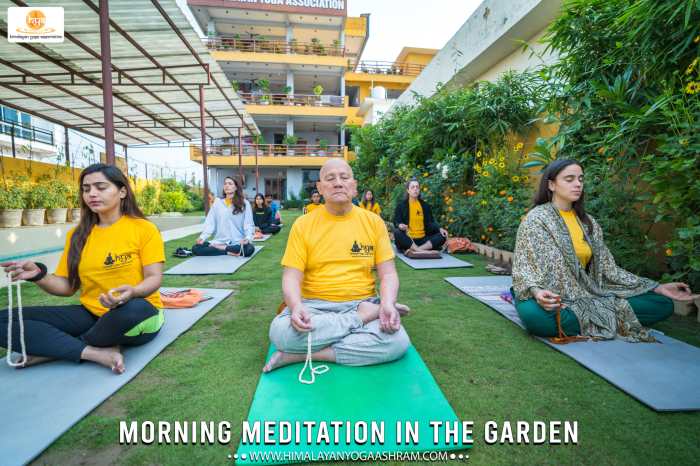
Self-reflection is a crucial element in understanding the evolution of your mindfulness meditation practice. It allows you to assess how far you’ve come, what techniques are resonating, and where there might be room for improvement. By taking the time to look back on your experiences, you can foster a deeper connection with your practice and make informed adjustments that enhance your journey toward greater mindfulness.Tracking progress in mindfulness meditation can be highly beneficial for your mental and emotional well-being.
By maintaining a journal or utilizing mindfulness apps, you can document your meditation sessions, noting any shifts in your mental state or emotional health. This practice not only helps you see patterns over time but also reinforces your commitment. Here are a few methods to effectively monitor your progress:
Methods for Tracking Mindfulness Progress
Keeping tabs on your growth in mindfulness can be simple yet powerful. The following methods can help you achieve a clear picture of your development:
- Meditation Journal: Writing down your thoughts before and after each session can reveal insights about your feelings, distractions, and breakthroughs. Over time, you’ll notice trends that indicate your progress.
- Mindfulness Apps: Apps like Headspace or Insight Timer offer features to log your sessions, track time spent meditating, and sometimes even provide guided reflections upon completion.
- Monthly Check-ins: Set aside time at the end of each month to reflect on what you’ve learned and how you’ve felt during your practice. Assess any changes in your emotional responses or stress levels.
- Mindfulness Buddy: Partnering with someone can create a supportive environment. You can share insights and experiences, making it easier to stay accountable.
Celebrating milestones in your mindfulness meditation journey is key to maintaining motivation and enthusiasm. Recognizing achievements—no matter how small—reinforces positive behavior and commitment to practice. Here’s how you can honor those moments:
Celebrating Milestones in Mindfulness Practice
Acknowledging your achievements in mindfulness can keep your practice fresh and exciting. Here are some ideas to celebrate your journey:
- Personal Retreats: Treat yourself to a day of mindfulness, away from the usual distractions. Spend this time reflecting on your practice while engaging in activities that promote peace and relaxation.
- Share Your Journey: Talk about your experiences with friends or family. Sharing what you’ve learned can inspire others and deepen your understanding of your own progress.
- Set New Goals: After reaching a particular milestone, establish new objectives for your meditation practice. This could include exploring new techniques or increasing your daily meditation time.
- Visual Reminders: Create a vision board or keep a small token that represents your commitment to mindfulness. Every time you see it, it will remind you of your journey and motivate you to keep going.
Regular self-reflection, tracking progress, and celebrating milestones are interconnected practices that enhance your mindfulness meditation journey. By investing in your growth and acknowledging your achievements, you create a sustainable and rewarding mindfulness practice.
Final Review
In summary, incorporating mindfulness meditation into your daily life can lead to profound psychological and emotional benefits, enhancing your overall well-being. By creating a structured routine, tackling challenges head-on, and utilizing helpful resources, you’re setting yourself up for success. Remember, like any skill, mindfulness takes time and practice, but the rewards are well worth it. Embrace the journey, celebrate your progress, and enjoy the peace that comes from being present in each moment.
FAQ Summary
How long should I meditate each day?
Start with just 5-10 minutes daily and gradually increase as you get comfortable.
Can I practice mindfulness meditation anywhere?
Yes, mindfulness can be practiced in various settings, from your home to the outdoors or even at work.
What if I can’t clear my mind during meditation?
It’s normal! Focus on your breath or a mantra instead of trying to force your mind to be blank.
Do I need special equipment for mindfulness meditation?
Nope! Just find a quiet space and maybe a comfortable cushion or chair to sit on.
How do I stay motivated to meditate daily?
Set reminders, connect with a community, or track your progress to keep up your momentum.