How To Practice Meditation And Mindfulness is your gateway to a more peaceful and centered life. Whether you’re looking to reduce stress, boost focus, or find a deeper connection to yourself, diving into meditation and mindfulness can change the game. These practices have roots in ancient traditions but are more relevant than ever in our fast-paced world. Let’s explore the essentials, from understanding the basics to creating a calming environment and developing a daily routine that keeps you on track.
We’ll cover everything you need to know to get started, including how to navigate challenges, the impact of breath, and incorporating mindfulness into your everyday life. With a bit of patience and practice, you can unlock the transformative power of these techniques.
Understanding the Basics of Meditation and Mindfulness
Meditation and mindfulness have become buzzwords in today’s fast-paced world, but at their core, they represent ancient practices aimed at enhancing well-being and fostering a deeper connection with oneself. These techniques can offer a refuge from the chaos of daily life, enabling individuals to cultivate awareness and presence in the moment. By taking a step back from the relentless whirlwind of thoughts, meditation and mindfulness provide pathways to a more conscious existence.The foundational concepts of meditation and mindfulness stem from an interplay of mental focus and awareness.
Meditation typically involves dedicated time set aside for intentional practice, where one may focus on their breath, a mantra, or even visualizations. Mindfulness, on the other hand, is often integrated into daily activities, encouraging individuals to observe their thoughts and feelings without judgment. Rooted in various traditions, particularly within Buddhism, these practices have transcended their spiritual origins to find a place in modern wellness routines.
Historical Origins and Cultural Significance
Meditation and mindfulness trace their roots back thousands of years. The earliest records of meditation practices originated in India around 1500 BCE, and the techniques were further refined in Buddhist traditions. These practices served not only as spiritual disciplines but also as tools for cultivating insight and tranquility. In Asian cultures, meditation has been integral for personal development and has shaped philosophies on life and the universe.In contemporary society, the cultural significance of these practices has evolved considerably.
The 20th century saw a surge in interest in Eastern philosophies, leading to the introduction of meditation in Western cultures, often associated with self-help movements and psychological well-being. Today, research showcases the benefits of mindfulness and meditation in reducing stress, improving emotional health, and enhancing cognitive function.
Types of Meditation Techniques
There are several meditation techniques, each with unique characteristics that cater to different preferences and goals. Understanding these methods can help individuals identify which approach resonates most with them.
Mindfulness Meditation
This technique emphasizes being fully present and aware of thoughts, feelings, and bodily sensations without judgment. It encourages an open attitude towards one’s experiences.
Concentration Meditation
This form involves focusing attention on a single point of reference, such as breathing or a specific sound, helping to quiet the mind and improve focus.
Loving-Kindness Meditation (Metta)
Originating from Buddhist practice, this technique involves sending goodwill and compassion to oneself and others, promoting feelings of love and connectedness.
Transcendental Meditation
A simple and effortless technique that involves silently repeating a mantra for 15-20 minutes twice a day, aimed at achieving a state of profound rest and relaxation.
Guided Meditation
In this technique, an instructor or recording guides the meditation practice, often incorporating visualization to help participants achieve a desired state of relaxation or insight.
Zen Meditation (Zazen)
Rooted in Zen Buddhism, this technique focuses on seated meditation, observing thoughts and sensations while maintaining a specific posture to promote calmness and clarity.Understanding these different types of meditation can empower individuals to choose a practice that aligns with their personal goals and lifestyle, fostering a meaningful journey into mindfulness and meditation.
The Importance of a Quiet Space for Meditation
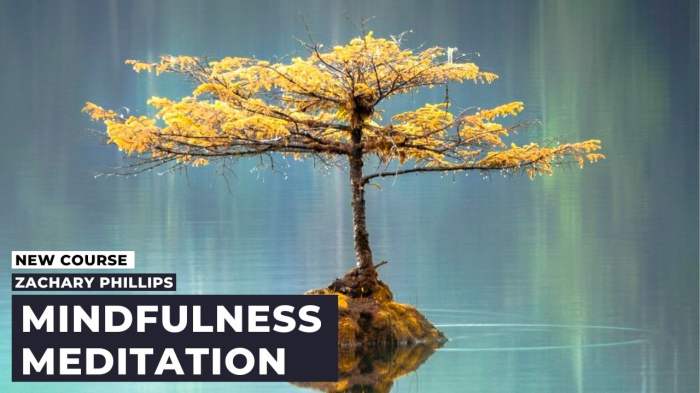
Creating a tranquil environment is key to effective meditation and mindfulness practice. When you meditate, having a quiet space allows you to focus inward, free from external distractions. It’s not just about finding a corner of a room; it’s about curating an atmosphere that supports your mental clarity and emotional calm.Choosing an appropriate environment for meditation involves several factors. Ideally, you want a space that feels peaceful and is relatively free from noise.
Look for areas in your home that are secluded, like a spare room or a cozy nook. Outdoor spaces can also be beneficial, like a garden or a quiet park, where natural sounds can enhance your practice. It’s important to consider the following tips for creating a calming atmosphere:
Creating a Calming Atmosphere
To enhance your meditation experience, the right ambiance plays a significant role. Here are some key elements to consider when setting up your meditation space:
- Lighting: Soft, natural light is ideal. If indoors, consider using lamps with warm bulbs or candles to create a soothing glow. Avoid harsh fluorescent lights.
- Comfort: Use cushions, blankets, or yoga mats for comfort. Ensure your seating is supportive, as physical discomfort can be a distraction during meditation.
- Sound: Aim for quiet, but if some noise is unavoidable, consider using white noise machines or gentle nature sounds to mask it. Alternatively, calming music can help create a serene backdrop.
- Aromatherapy: Essential oils, like lavender or sandalwood, can enhance relaxation. A diffuser or incense can help to fill your meditation space with calming scents.
- Personal Touches: Adding personal items like plants, meaningful art, or spiritual symbols can make the space feel more inviting and tailored to you.
Identifying common distractions is crucial for maintaining focus during meditation. Some typical interruptions include noise from traffic, household sounds, or even the presence of other people. Here’s how to tackle these distractions:
Mitigating Distractions While Meditating
Understanding how to minimize distractions can significantly enhance your meditation practice. Here are some strategies to consider:
- Time Management: Choose a time when your environment is likely to be quieter, such as early mornings or late evenings.
- Communicate: If you live with others, let them know about your meditation times, so they can respect your space and silence.
- Use Headphones: Noise-canceling headphones can help block out external sounds, allowing you to immerse yourself fully in your practice.
- Practice Mindfulness: If distractions occur during your practice, acknowledge them without judgment and gently return your focus to your breath or mantra.
“Creating a dedicated space for meditation can transform your practice, turning it from a chore into a cherished routine.”
Developing a Daily Meditation Routine
Establishing a daily meditation routine can seem daunting at first, but with a few simple steps, it can become an integral part of your daily life. The key is to create a structure that not only fits into your schedule but also resonates with your personal needs and goals. Consistency is vital, as it allows you to cultivate mindfulness and enhance your overall well-being.
Setting intentions for each meditation session is crucial. These intentions help to frame your practice, allowing you to focus on specific aspects of your emotional or mental health. It’s like having a road map for your journey into self-discovery. By defining what you wish to achieve during your practice, you create a deeper connection with your meditation experience. Below is a guide that Artikels how to establish a consistent meditation practice.
Step-by-Step Guide to a Consistent Meditation Practice
Creating a daily meditation routine involves several steps that can guide you to a fulfilling practice. These steps should be personalized to fit your lifestyle, but having a foundation can make the process smoother. Here’s how you can get started:
- Choose a Specific Time: Select a time that works best for you, whether it’s early morning or before bed. Consistency in timing can help form a habit.
- Create a Dedicated Space: Find a quiet, comfortable spot in your home where you can meditate without distractions. This space should feel inviting and tranquil.
- Start Small: Begin with just a few minutes a day. Gradually increase the duration as you feel more comfortable. Setting the bar low at first can help ease you into the routine.
- Use Guided Meditations: If you’re unsure where to start, consider using apps or online resources that provide guided sessions. They can be particularly helpful for beginners.
- Track Your Progress: Keep a journal to note your experiences and feelings after each session. This can help you identify patterns and motivate you to continue.
Integrating mindfulness into your daily activities can also enhance your meditation practice. It’s not just about the time spent in formal meditation; it’s about carrying that awareness with you throughout the day. Here are some practical ways to weave mindfulness into your everyday life:
Integrating Mindfulness into Daily Activities
Mindfulness can be practiced outside of your designated meditation time. By incorporating it into your daily routines, you create opportunities for reflection and awareness throughout your day. Here are some suggestions:
- Meditate During Daily Activities: Practice being fully present while performing simple tasks like washing dishes, walking, or eating. Focus on the sensations and feelings associated with these activities.
- Mindful Breathing: Take brief moments throughout your day to pause and focus on your breath. Even just a few deep breaths can help center your thoughts and relieve stress.
- Mindful Listening: When engaging in conversation, practice being fully present. Listen without planning your response. This enhances your connection with others.
- Gratitude Practice: At the end of each day, reflect on three things you’re grateful for. This simple exercise can shift your mindset and promote a sense of positivity.
“Mindfulness isn’t difficult. What’s difficult is to remember to be mindful.” – Jon Kabat-Zinn
By embedding these practices into your routine, you can cultivate a more mindful lifestyle, enriching both your meditation sessions and daily experiences. The journey to establishing a daily meditation routine is personal and unique, but by setting clear intentions and integrating mindfulness into your life, you can build a practice that truly supports your growth and well-being.
Overcoming Challenges in Meditation Practice
Starting a meditation practice can feel like a daunting task, especially for beginners. Common obstacles can arise that may deter you from sticking with it, but recognizing and addressing these challenges is key to finding peace and mindfulness. This section dives into some of the typical hurdles and offers strategies to keep your meditation journey on track.
Common Obstacles in Meditation
Many newcomers to meditation encounter a range of obstacles that can make the practice feel frustrating. Here are some of the most prevalent challenges faced by beginners:
- Restlessness: It’s common to feel antsy or unable to sit still, which can lead to frustration. Acknowledge this feeling and incorporate gentle movements or a brief walking meditation to ease the restlessness.
- Difficulty concentrating: The mind tends to wander, especially when starting. Instead of trying to force concentration, gently redirect your focus back to your breath or mantra without judgment.
- Impatience: Many expect immediate results, such as reduced stress or enhanced focus. Remember that meditation is a journey; give yourself time to adjust and grow. Patience is key.
- Self-doubt: Beginners often question whether they’re doing it right. Trust that there’s no wrong way to meditate; focus on your unique experience and how it resonates with you.
Managing Thoughts and Distractions
During meditation, thoughts and distractions can pop up like uninvited guests. Learning to manage these interruptions is essential for developing a sustainable practice. Here are some strategies to help you keep distractions at bay:
- Acknowledge and Release: When a distracting thought arises, acknowledge it without judgment, then gently guide your focus back to your breath.
- Use Guided Meditations: Incorporating guided sessions can help direct your attention, especially when you’re starting out. Many apps and online resources provide excellent guided options.
- Set a Timer: Knowing you have a set time to meditate can help ease anxiety about whether you’re spending too long or trying to rush through your practice.
- Focus on the Breath: Concentrating on your breathing can serve as an anchor. If your thoughts wander, return to the rhythm of your breath to regain focus.
Importance of Patience and Self-Compassion, How To Practice Meditation And Mindfulness
Meditation is as much about the process as it is about the outcomes. Embracing patience and self-compassion is crucial for anyone embarking on this journey. Here’s why these qualities matter:
“Meditation is not about becoming a different person, but about becoming who you truly are.”
In your meditation practice, remember that growth takes time. Celebrate small victories, whether it’s a moment of clarity, a feeling of calm, or simply sitting for a few minutes without judgment. Allow yourself to be imperfect and recognize that each session is a step on your path.Patience helps you navigate the ups and downs of your meditation journey, while self-compassion fosters a kinder relationship with yourself.
Acknowledge the challenges without being hard on yourself; this gentle approach can make all the difference in your mindfulness practice.
Exploring Guided Meditation Resources: How To Practice Meditation And Mindfulness
Finding the right meditation resources can be a game-changer in your mindfulness journey. Guided meditations provide structure and support, helping you focus and deepen your practice, especially if you’re just starting out or looking to enhance your existing routine. With a plethora of options available, it’s easy to get overwhelmed, but taking the time to explore different resources is absolutely worth it.Guided meditation resources encompass a wide array of formats including mobile apps, online platforms, audio recordings, and even in-person classes.
Each type offers unique benefits that can cater to different preferences and needs. Here’s a breakdown of the types available and how to make the best choice for your practice.
Types of Guided Meditation Resources
It’s important to understand the variety of guided meditation resources available to find what resonates with you the most. Here are some of the most popular types:
- Mobile Apps: There are numerous meditation apps like Headspace, Calm, and Insight Timer. These apps provide a range of guided meditations for various needs, such as stress relief, sleep, or focus.
- Online Platforms: Websites such as YouTube or dedicated meditation sites host a vast collection of guided sessions, often led by experienced instructors. These can be free and cater to all levels.
- Podcasts: Many mindfulness-focused podcasts offer guided meditations as part of their episodes, allowing for on-the-go mindfulness wherever you are.
- Live Classes: For those who prefer personal interaction, live meditation classes—either in-person or via video conferencing—can provide immediate feedback and support.
Benefits of Guided Meditations
Using guided meditations has specific advantages compared to independent practice. A few key benefits include:
- Structure: Guided sessions often feature a clear structure that can help you stay focused, especially when you’re new to meditation.
- Expert Guidance: Many resources are led by experienced instructors who can offer insights and techniques that may enhance your practice.
- Variety: Guided meditations cover a range of themes, allowing you to explore different techniques and find what works best for you.
Evaluating and Selecting Guided Meditations
When choosing a guided meditation resource, consider several factors to ensure it aligns with your needs:
- Personal Goals: Identify what you want to achieve with your practice, whether it’s stress management, improved focus, or emotional healing.
- Instructor Style: Listen to a few samples or previews to find an instructor whose voice and style resonate with you. The right connection can significantly enhance your experience.
- Duration: Consider how much time you realistically have for meditation. Choose resources that offer sessions of various lengths to fit into your schedule.
- User Reviews: Look for feedback from other users to gauge the effectiveness of the resource. This can provide insight into what to expect.
- Trial Periods: Many apps and platforms offer free trials. Take advantage of these to explore different options before committing.
Incorporating Mindfulness into Everyday Life
Mindfulness is more than just sitting in silence; it’s about bringing awareness to everything you do. By incorporating mindfulness into your daily routine, you can enhance your focus, reduce stress, and improve your overall well-being. It’s all about being present and fully engaging in each moment, whether you’re eating, walking, or just taking a breath. This section explores practical methods for weaving mindfulness into everyday activities, along with the profound benefits that come from this practice.
Mindful Eating Practices
Transforming your meals into a mindful experience can significantly enhance your relationship with food. Mindful eating encourages you to slow down and truly savor every bite, which can lead to better digestion and satisfaction. Here’s how to practice it:
- Eliminate Distractions: Turn off the TV, put away your phone, and create a calm eating environment. This allows you to focus solely on your meal.
- Engage Your Senses: Notice the colors, textures, and aromas of your food. Take the time to appreciate each flavor as you chew slowly.
- Pay Attention to Hunger Cues: Listen to your body. Eat when you’re hungry, and stop when you’re satisfied. This can help prevent overeating.
Mindful eating not only enhances enjoyment but also contributes to stress reduction. By paying attention to what you eat, you can foster a healthier relationship with food, leading to positive changes in your diet and lifestyle.
Mindful Walking Techniques
Walking can be a beautiful opportunity to practice mindfulness. This simple activity can become a meditative practice, grounding you in the present moment. Here’s how to integrate mindfulness into your walks:
- Focus on Your Breath: As you walk, pay attention to your breathing. Notice the rhythm and how it syncs with your steps.
- Feel the Ground Beneath You: Concentrate on the sensations in your feet as they touch the ground. This connection can bring a sense of stability and presence.
- Observe Your Surroundings: Take in the sights, sounds, and smells around you. Notice the details that you usually overlook, like the rustle of leaves or the warmth of the sun.
By incorporating these techniques into your daily walks, you can create a relaxing and rejuvenating experience that not only reduces stress but also enhances your mindful awareness.
Daily Mindfulness Exercises
Cultivating mindfulness throughout the day doesn’t have to be time-consuming. Here are some quick exercises you can easily integrate into your daily routine:
- Five Senses Exercise: Take a moment to pause and identify five things you can see, four things you can touch, three things you can hear, two things you can smell, and one thing you can taste. This can help anchor you in the present.
- Mindful Breathing: Set aside 5 minutes to focus solely on your breath. Inhale deeply through your nose, hold for a few seconds, and then exhale through your mouth. Repeat this to calm your mind.
- Gratitude Pause: At any point during your day, pause and think of three things you’re grateful for. This simple practice can shift your perspective and reduce stress.
Engaging in these exercises regularly can significantly enhance your mindfulness practice, leading to a more balanced and fulfilling life. By making a conscious effort to incorporate mindfulness into your daily activities, you can cultivate a sense of peace and clarity that permeates throughout your day.
The Role of Breath in Meditation and Mindfulness
Breath is the foundation of meditation and mindfulness practices, serving as a bridge between the mind and body. It’s amazing how something so simple can have such a profound impact on our mental clarity and emotional stability. By focusing on our breath, we can anchor ourselves in the present moment, allowing the chaos of daily life to fade away.Breath control not only calms the nervous system but also enhances mental clarity during meditation.
When we regulate our breathing, we signal to our brain that it’s time to relax, leading to reduced anxiety and increased focus. This connection between breath and mental state is crucial in achieving deeper levels of meditation. Studies have shown that individuals who practice breath-focused techniques often report a greater sense of peace and improved cognitive function.
Breathing Techniques for Enhanced Meditation
Incorporating various breathing techniques can significantly enhance your meditation practice. Here are a few effective methods that can be integrated into your sessions:
- Diaphragmatic Breathing: This technique involves fully engaging the diaphragm while breathing, which promotes deeper and more efficient breaths. It helps lower heart rate and blood pressure, creating a state of calmness. To practice, place one hand on your chest and the other on your belly. Inhale deeply through your nose, ensuring your belly rises more than your chest.
- Box Breathing: Often used by athletes and in high-stress environments, box breathing involves inhaling, holding, exhaling, and holding again for equal counts (e.g., 4 seconds each). This technique helps regulate breath and is excellent for centering your thoughts.
- Nadi Shodhana (Alternate Nostril Breathing): This ancient yogic practice balances the left and right hemispheres of the brain by alternating the nostrils used for inhalation and exhalation. It enhances mental clarity and promotes a sense of tranquility. To do this, close one nostril with your thumb, inhale through the other, then switch and exhale.
- 4-7-8 Breathing: This technique is great for relaxation and stress relief. Inhale quietly through your nose for 4 seconds, hold the breath for 7 seconds, and exhale completely through your mouth for 8 seconds. This pattern is known to reduce anxiety and improve sleep quality.
Syncing your breath with meditation not only deepens relaxation but also enhances the overall experience. By consciously coordinating your breathing with your meditation rhythm, you can create a harmonious flow that allows you to delve deeper into your practice. Focus on the natural ebb and flow of your breath; each inhale brings in positivity while each exhale releases tension and negativity.
This synergy between breath and meditation can transform your sessions from merely routine practices into profound moments of stillness and insight.
“Breath is the bridge which connects life to consciousness, which unites your body to your thoughts.”
Measuring Progress and Benefits of Meditation
Tracking your meditation journey can be incredibly rewarding. Just like any other practice, keeping tabs on what’s happening within and around you can help you see how far you’ve come. By measuring your progress, you can also appreciate the various benefits that meditation and mindfulness bring to your life. This isn’t just about finding peace; it’s about recognizing the holistic improvements in your mental, emotional, and physical well-being that accumulate over time.The first step in gauging your progress is to set up a framework that allows you to reflect on your experiences.
This can involve maintaining a journal or using meditation apps that track your sessions. Additionally, incorporating regular check-ins with yourself can help you notice subtle changes that might otherwise go unnoticed.
Framework for Tracking Personal Progress
Establishing a consistent method for tracking your meditation practice can illuminate your journey and its impacts. Here’s how you can do it effectively:
- Daily Journal Entries: Write about each meditation session, including how you felt before, during, and after. Note any distractions or insights that arose.
- Weekly Reflection: Set aside time each week to review your journal. Look for patterns in your emotions, thoughts, and overall mood shifts.
- Use Meditation Apps: Many apps provide features to log your sessions and provide insights into your practice frequency and duration.
- Mindfulness Moments: Throughout your day, take brief moments to check in with yourself. Jot down any feelings or shifts in awareness as a result of your practice.
- Set Specific Goals: Define what you hope to achieve with your practice, whether it’s improved focus, reduced anxiety, or more compassion toward yourself and others.
Mental, Emotional, and Physical Benefits
The benefits of meditation can be profound and varied, often becoming more evident with consistent practice over time. Here’s a closer look at the changes you might experience:
- Mental Clarity: Regular meditation has been shown to enhance focus and cognitive flexibility. You may find it easier to concentrate on tasks and think critically.
- Emotional Stability: As meditation fosters self-awareness, you might notice improved emotional regulation, leading to greater resilience and a more balanced mood.
- Physical Health: Studies have indicated that meditation can lower blood pressure and improve overall cardiovascular health. You may also experience reduced tension and pain in your body.
Transformative Experiences
Many individuals have reported significant transformations in their lives due to meditation. For instance, one person shared how a consistent practice helped them overcome debilitating anxiety. Initially, they struggled with daily tasks, but after a few months of meditation, they not only managed to cope better but also found joy in activities they once avoided.Another testimony comes from someone who, after starting meditation, found a new sense of purpose.
They described how their perspective shifted from being reactive to proactive, allowing them to engage with life more deeply. These personal stories illustrate the potent, life-changing effects of integrating mindfulness and meditation into daily routines.
Closing Summary
In summary, mastering How To Practice Meditation And Mindfulness isn’t just about sitting in silence; it’s about creating a lifestyle that embraces peace and awareness. As you integrate these practices into your life, you’ll likely notice profound changes in your mental clarity, emotional resilience, and overall well-being. So, take a deep breath, commit to the journey, and enjoy the benefits that come with consistent practice.
User Queries
How long should I meditate each day?
Start with 5-10 minutes and gradually increase as you get comfortable.
Can I meditate in a busy environment?
Yes! You can practice mindfulness anywhere by focusing on your breath and grounding yourself.
What if my mind keeps wandering during meditation?
It’s normal! Gently bring your focus back to your breath without judgment.
Do I need to sit cross-legged to meditate?
Nope! You can sit in a chair, on the floor, or even lie down if that’s comfortable for you.
Is there a best time of day to meditate?
It depends on your schedule; the best time is when you can consistently make it a habit.