Mindful Movement Meditation For Sleep Preparation is all about using the power of movement to ease your mind and body into a restful state before hitting the hay. This practice combines gentle movements with mindfulness, helping you unwind from the day’s chaos and signaling to your body that it’s time to relax. As we dive into this topic, you’ll discover how incorporating mindful movement into your evening routine can lead to better sleep quality, improved relaxation, and a calmer mind.
From various techniques that can be easily added to your nightly rituals to the science behind how these movements affect your sleep, we’re covering everything you need to know to make your evenings more peaceful. With mindful movement, you can transition from the hustle and bustle of the day to a serene night of sleep.
Mindful Movement Meditation as a Tool for Sleep Preparation
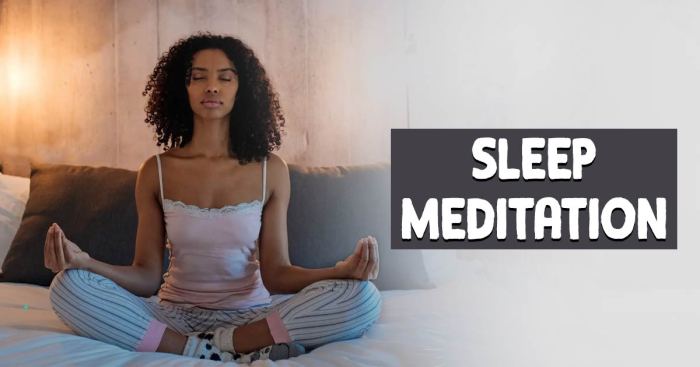
Mindful movement meditation is an increasingly popular practice that integrates gentle physical movements with mindfulness techniques, making it a powerful tool for preparing the body for restful sleep. By focusing on the body’s sensations and breath during these movements, individuals can promote relaxation, reduce tension, and cultivate a sense of calm that is essential for a good night’s sleep.Engaging in mindful movement meditation can significantly enhance relaxation and prepare the body for sleep by fostering a deep connection between mind and body.
This practice encourages individuals to slow down, tuning into their physical sensations and emotional states. As they move mindfully, they learn to notice areas of tension or discomfort and release them, which can lead to a reduction in stress levels. Furthermore, the rhythmic quality of mindful movements can help synchronize the body’s internal clock, making the transition to sleep smoother and more natural.
The practice can also stimulate the production of melatonin, the hormone responsible for regulating sleep cycles, which may improve overall sleep quality and duration.
Examples of Mindful Movement Techniques Beneficial for Nighttime Routines
Incorporating specific mindful movement techniques into your nighttime routine can greatly enhance relaxation and prepare your body for sleep. Here are some effective techniques:
- Gentle Yoga: Poses such as Child’s Pose, Legs-Up-the-Wall, and Seated Forward Bend help stretch and release tension in the body while promoting a sense of calm.
- Tai Chi: This ancient Chinese martial art involves slow, flowing movements that enhance balance and promote relaxation, making it ideal for winding down at the end of the day.
- Qigong: Similar to Tai Chi, Qigong focuses on gentle movements combined with breath control and meditation, fostering a tranquil state that prepares the body for sleep.
- Body Scan Meditation: This technique involves lying down and mentally scanning the body from head to toe, bringing awareness to areas of tension and encouraging relaxation.
The physiological effects of these mindful movements on sleep quality and duration are notable. Engaging in these practices can lower heart rate, reduce blood pressure, and decrease levels of the stress hormone cortisol. This physiological response not only helps individuals fall asleep faster but also contributes to deeper, more restorative sleep cycles. Studies have shown that individuals who regularly practice mindful movement report improved sleep quality, longer sleep duration, and reduced insomnia symptoms.
By integrating mindful movement meditation into a nighttime routine, individuals can harness these benefits and promote healthier sleep patterns, leading to overall well-being.
The Science Behind Mindful Movement and Sleep
Research increasingly supports the connection between mindful movement practices, such as yoga and tai chi, and improved sleep outcomes. These practices not only promote relaxation but also engage the body in a way that aligns the mind and the physical self, creating a harmonious state conducive to restful sleep. The physiological and psychological benefits of mindful movement have been shown to affect sleep quality positively, making it a valuable component of sleep preparation routines.Studies have found that mindful movement meditation significantly reduces insomnia symptoms and enhances overall sleep quality.
For instance, a systematic review published in the journalSleep Medicine Reviews* revealed that participants who engaged in mindfulness-based interventions showed marked improvements in sleep duration and quality compared to those who did not. The research indicates that these practices can help lower the levels of stress and anxiety, which are known to interfere with sleep. By fostering a state of calm, mindful movement creates an environment in which the body can transition more easily into sleep.
Neurotransmitters and Hormones Influenced by Mindful Movement
Mindful movement has profound effects on various neurotransmitters and hormones that play crucial roles in regulating sleep. Engaging in these practices helps to increase levels of serotonin, often referred to as the “feel-good” neurotransmitter. Elevated serotonin levels can lead to an increase in melatonin production, the hormone responsible for regulating sleep-wake cycles. Additionally, mindful movement decreases cortisol levels, the stress hormone that often disrupts sleep when elevated.The relationship between mindful movement and these biochemicals can be illustrated through the following key points:
- Serotonin: An essential precursor to melatonin, higher serotonin levels can facilitate better sleep onset and quality.
- Melatonin: Known as the sleep hormone, increased melatonin production from elevated serotonin directly contributes to improved sleep patterns.
- Cortisol: Mindful movement practices significantly reduce cortisol levels, mitigating stress and anxiety that interfere with sleep.
- Dopamine: Enhanced dopamine levels may improve mood and motivation, which can create a more positive mindset for sleep preparation.
Mindful movement practices can be more effective than other sleep preparation techniques, such as merely using sleep aids or engaging in passive relaxation methods like watching television. While pharmacological sleep aids act quickly, they often come with side effects and do not address the underlying issues preventing restful sleep. In contrast, mindful movement focuses on holistic healing, fostering long-term improvements in sleep quality through natural physiological changes.
“Mindful movement meditation not only serves as a relaxation technique but also catalyzes significant biochemical changes that enhance sleep quality.”
Research indicates that participants who integrate mindful movement into their routines report feeling more rested and rejuvenated upon waking, further underlining its effectiveness compared to traditional sleep aids. Incorporating these practices into your sleep preparation can lead to sustainable improvements in sleep hygiene and overall well-being.
Practical Steps for Incorporating Mindful Movement into Evening Routines
Integrating mindful movement into your pre-sleep ritual can significantly enhance the quality of your sleep. This practice aims to calm the mind and body, setting you up for a restful night. The following guide will help beginners seamlessly incorporate mindful movement into their evening routines, promoting relaxation and tranquility before bedtime.Mindful movement is all about being present in your body and cultivating awareness through gentle movement.
Engaging in mindful movement exercises before bed can help release the tensions accumulated throughout the day and prepare your mind for sleep. Here’s a simple step-by-step guide to help you get started.
Step-by-Step Guide for Beginners
To effectively integrate mindful movement into your evening routine, follow these steps:
Set the Scene (5 minutes)
Create a calming environment in your space. Dim the lights, play soft music, or light a candle to enhance relaxation. Having a designated space for your practice can help signal to your mind that it’s time to unwind.
Begin with Deep Breathing (5 minutes)
Sit comfortably and take a few deep breaths. Inhale deeply through your nose, allowing your abdomen to expand, and exhale slowly through your mouth. Focus on the rhythm of your breath, letting go of any lingering thoughts.
Engage in Mindful Movement Exercises (20 minutes)
Here are three specific exercises to help you unwind before bed:
Gentle Neck Rolls (5 minutes)
Stand or sit comfortably. Slowly roll your head in a circular motion, allowing your neck to release tension. After a few rounds, switch directions. This movement helps relax tight neck muscles, often strained from daily activities.
Cat-Cow Stretch (10 minutes)
Get on your hands and knees in a tabletop position. Inhale as you arch your back (Cow), lifting your head and tailbone. Exhale as you round your spine (Cat), tucking your chin to your chest. Repeat for several breaths, synchronizing each movement with your breath to cultivate mindfulness.
Seated Forward Bend (5 minutes)
Sit with your legs extended in front of you. Inhale and reach your arms overhead, elongating your spine. As you exhale, hinge at your hips and fold forward, reaching for your feet. Hold this stretch, feeling the gentle release in your lower back and hamstrings.
Cool Down with Mindful Reflection (5 minutes)
Conclude your practice by sitting comfortably again. Close your eyes and take a few moments to reflect on the sensations in your body and the thoughts in your mind. Acknowledge any feelings that arise without judgment, allowing yourself to be fully present.
Transition to Bedtime (5 minutes)
After your mindful movement practice, slowly transition to your bedtime routine. Dim the lights, put away electronic devices, and engage in calming activities like reading or light stretching.
Regular practice of mindful movement can lead to improved sleep quality, reduced stress, and enhanced emotional well-being.
Timeline for Optimal Sleep
To get the most from your mindful movement exercises, here’s a suggested timeline to help structure your evening routine:
| Activity | Duration |
|---|---|
| Set the Scene | 5 minutes |
| Deep Breathing | 5 minutes |
| Gentle Neck Rolls | 5 minutes |
| Cat-Cow Stretch | 10 minutes |
| Seated Forward Bend | 5 minutes |
| Mindful Reflection | 5 minutes |
| Transition to Bedtime | 5 minutes |
By following this structured approach, you can effectively incorporate mindful movement into your evening routine, paving the way to better sleep. Each step promotes relaxation and awareness, making it easier to drift off into a peaceful slumber.
The Role of Breath in Mindful Movement Meditation for Sleep
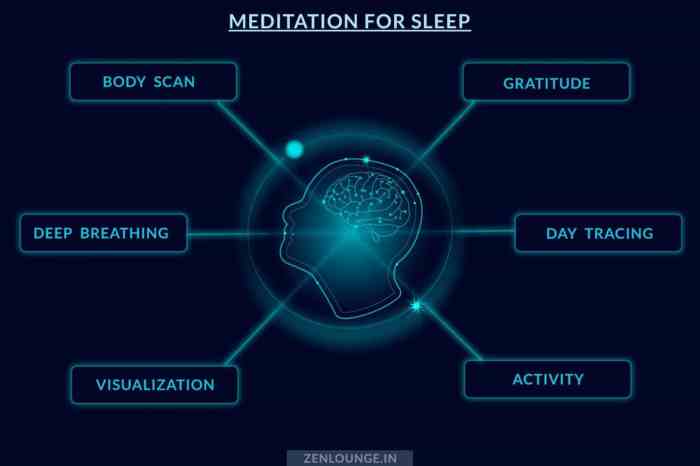
Breath is a cornerstone of mindful movement meditation, acting as a bridge between body and mind. It’s more than just a function of life; it’s a tool that can enhance our meditation practice and significantly impact our sleep quality. When we focus on our breath during meditation, we create a calming rhythm that helps quiet the mind and relax the body.
This is particularly beneficial as we prepare for sleep, where a peaceful transition is essential for restorative rest. Controlling the breath is key in mindful movement meditation. By mastering our breath, we can influence our state of mind and, consequently, our ability to fall asleep. The way we breathe can either amplify feelings of anxiety or promote relaxation. For instance, shallow breathing is often associated with stress and tension, while deep, intentional breaths signal to our nervous system that it’s time to unwind.
This connection highlights the importance of integrating breath control into our meditation routine, especially as we transition into sleep.
Breathing Techniques for Sleep Preparation
Various breathing techniques complement mindful movement meditation and aid in preparing the mind for sleep. Understanding these techniques can significantly enhance your meditation practice. Here are some effective methods:
- Diaphragmatic Breathing: This technique involves breathing deeply into the diaphragm rather than shallowly into the chest. It promotes relaxation and can lower heart rate, making it a perfect pre-sleep exercise.
- 4-7-8 Breathing: Inhale for four seconds, hold for seven seconds, and exhale for eight seconds. This method helps calm the mind and body, making it easier to slip into sleep.
- Nasal Breathing: Breathing in and out through the nose helps regulate airflow and maintain a steady rhythm, which can enhance relaxation and support deeper sleep.
- Box Breathing: Inhale for four counts, hold for four counts, exhale for four counts, and hold again for four counts. This structured breathing can reduce anxiety and improve focus, setting a tranquil tone for sleep.
Engaging in these breathing exercises during mindful movement meditation primes your body and mind for restful sleep. The distinction between shallow and deep breathing during mindful movement sessions is crucial. Shallow breathing arises from stress or anxiety, often leading to increased heart rates and feelings of tension. This type of breathing can keep you alert when you want to wind down, making it difficult to transition into sleep.
On the flip side, deep breathing promotes relaxation by activating the parasympathetic nervous system, leading to lower heart rates and reduced stress levels.
“Deep, intentional breathing serves as a natural tranquilizer for the nervous system.”
Integrating deep breathing into your mindful movement practice not only enhances the quality of your meditation but also paves the way for a more peaceful and restorative sleep experience.
Creating a Mindful Movement Meditation Environment for Sleep
Creating a tranquil and soothing environment is essential for effective mindful movement meditation, especially before sleep. The right atmosphere can enhance relaxation, promote deeper sleep, and elevate your overall meditation practice. Let’s dive into how to set the stage for your nightly meditation ritual.Establishing an ideal environment involves considering various sensory elements that can either enhance or detract from your mindful experience.
By carefully curating these aspects, you can create a sanctuary that invites calmness and stillness. Here’s a checklist to help you prepare your space:
Environment Preparation Checklist
To ensure your meditation environment is conducive to sleep, consider the following elements that will contribute to a peaceful setting:
- Lighting: Use soft, warm lights or candles to create a calming ambiance. Consider using dimmable lamps or Himalayan salt lamps to adjust brightness easily.
- Sound: Eliminate distracting noises. Incorporate gentle sounds like a fan or white noise machine to mask disruptive sounds.
- Temperature: Keep your room cool, ideally between 60-67°F (15-19°C), as cooler temperatures promote better sleep.
- Comfort: Use plush cushions or a yoga mat to provide comfort during your movements. Ensure your space is free of clutter to minimize distractions.
- Aromatherapy: Introduce calming scents through essential oils like lavender or chamomile, which can enhance relaxation.
By addressing these elements, you create a supportive environment that fosters a deeper connection with your body and mind during your meditation practice.
Sensory Enhancements for Mindful Movement
Incorporating specific sensory elements can significantly enhance your mindful movement meditation experience at night.
Creating a multi-sensory environment can help anchor your practice and deepen relaxation.
When it comes to sound, consider using calming music or soothing soundscapes that align with your meditation rhythm. Some examples include:
- Calm Piano Music: Soft instrumental piano pieces can create a serene backdrop, allowing your mind to settle.
- Nature Sounds: Ocean waves, gentle rain, or rustling leaves can provide a peaceful auditory experience.
- Guided Meditations: Listening to soothing guidance can help keep you focused and relaxed throughout your practice.
By thoughtfully combining these sensory elements, you can elevate your mindful movement meditation, paving the way for a restful night’s sleep.
Overcoming Challenges in Practicing Mindful Movement Meditation for Sleep
Practicing mindful movement meditation can be a transformative experience, particularly when it comes to getting better sleep. However, many people face various challenges that can hinder their ability to fully engage in this practice. Understanding these obstacles and finding ways to overcome them is essential for establishing a successful routine that promotes restful sleep. One common obstacle individuals encounter is a busy mind.
With the stresses of daily life, it’s easy for our thoughts to race, making it difficult to focus on the present moment. To combat this, individuals can incorporate specific breathwork techniques into their practice. For example, deep breathing exercises can help anchor the mind and create a sense of calm. Additionally, setting aside a dedicated space and time for meditation can signal to the mind that it’s time to unwind and let go of distractions.Another challenge many face is physical discomfort or stiffness.
It’s not uncommon to feel resistant to movement, especially after a long day. To address this, starting with gentle stretches and warm-ups can help ease the body into the practice. A case study of a friend of mine illustrates this point well. She began her mindful movement journey with a short, 10-minute evening routine focusing on simple spinal twists and forward folds.
Over time, her body became more supple, and she found it easier to engage in longer sessions, ultimately leading to improved sleep quality.
Building a Consistent Routine, Mindful Movement Meditation For Sleep Preparation
Establishing a consistent routine is key to reaping the benefits of mindful movement meditation for sleep. However, finding the motivation to practice regularly can be tough. Here are some strategies to help build that consistency:Creating a schedule can provide structure and commitment. For instance, setting aside the same time each evening, perhaps just before bedtime, can signal to both the body and mind that it’s time to unwind.
Accountability can also play a huge role. Whether it’s through a meditation app that tracks progress or inviting a friend to join in, having someone else involved can be a great motivator. Another important aspect is the understanding that practicing mindfulness is a journey that requires patience. Many individuals expect immediate results, but understanding that building a meditation practice takes time can alleviate some pressure.
As one student I know shared, “I was frustrated at first because I wanted to see changes overnight. But once I accepted that it was about the journey, I felt more relaxed and open to the experience.”In addition, integrating mindful movement into daily life, rather than viewing it as a separate task, can foster a more relaxed approach. Simple actions like being mindful during a walk or focusing on breathing while doing household chores can enhance the overall meditation experience without the pressure of formal practice.
Overall, overcoming these challenges requires a blend of planning, patience, and personal adaptation. By recognizing obstacles and employing strategies to address them, individuals can create a sustainable and effective mindful movement meditation practice that ultimately leads to better sleep.
Long-term Benefits of Mindful Movement Meditation on Sleep Patterns
Engaging in mindful movement meditation can be a game-changer for your sleep quality and overall health. As you make this practice a regular part of your routine, the benefits tend to accumulate, leading to significant improvements both in how well you sleep and how you feel during the day. This isn’t just about catching more z’s; it’s about cultivating a holistic lifestyle that supports your well-being.Regular practice of mindful movement meditation enhances sleep quality by reducing stress and anxiety.
When you engage in mindful movement, whether it’s yoga, tai chi, or simple stretching, you help your body release tension and calm your mind. Over time, this consistent practice helps to regulate the body’s stress response, leading to a more peaceful state of mind at bedtime. Research has shown that individuals who incorporate these practices into their nightly routines often experience deeper, more restorative sleep, allowing them to wake up feeling refreshed and ready to tackle the day.
Balanced Lifestyle Beyond Sleep Improvement
Mindful movement meditation contributes to a more balanced lifestyle by promoting physical and mental health in various ways. Here are some of the key benefits:
- Enhanced Body Awareness: By focusing on your movements and breathing, you become more attuned to your body’s needs and signals, which can lead to healthier lifestyle choices.
- Improved Physical Fitness: Regular practice improves flexibility, strength, and stamina, making it easier to engage in other physical activities.
- Better Emotional Regulation: Practicing mindfulness helps you develop greater emotional resilience, allowing you to handle stressors with more grace and less reactivity.
- Increased Focus and Concentration: Mindful movement can sharpen your attention, helping you stay present and engaged in your daily tasks.
- Stronger Immune Function: Consistent meditation has been linked to improved immune responses, meaning you may be less susceptible to illness.
In addition to these lifestyle improvements, mindful movement meditation can significantly reduce reliance on sleep aids and medications. Many people turn to over-the-counter sleep aids or even prescription medications to help them sleep better. However, these substances can come with side effects and may not address the root causes of sleep disturbances. Mindful movement offers a natural alternative that not only improves sleep but also enhances your overall mental and physical health.
“Mindful movement is a powerful tool that can reshape your relationship with sleep and wellness, steering you away from temporary fixes towards lasting health.”
By adopting mindful movement meditation as a regular practice, you’re not just tackling sleep issues; you’re laying the groundwork for a healthier, more balanced life. The cultivation of such a practice helps create a sustainable approach to well-being that extends far beyond the hours of sleep each night.
Epilogue: Mindful Movement Meditation For Sleep Preparation
In conclusion, embracing Mindful Movement Meditation For Sleep Preparation can significantly enhance your nightly routine and overall sleep quality. By integrating these techniques into your life, you’re not just improving your sleep but also promoting emotional balance and physical well-being. Remember, consistency is key; with practice, you’ll find that these mindful movements will become a natural and essential part of winding down, leading you to deeper, more restorative sleep.
Commonly Asked Questions
What is mindful movement meditation?
Mindful movement meditation is a practice that combines gentle physical movements with mindfulness to enhance relaxation and awareness.
How long should I practice mindful movement before sleep?
It’s recommended to practice for about 15-30 minutes to effectively prepare your body for sleep.
Can anyone do mindful movement meditation?
Yes, it’s suitable for all ages and fitness levels, with modifications available for different abilities.
What if I struggle to stay focused during the practice?
It’s normal to struggle with focus at first; try bringing your attention back to your breath or the movements whenever you notice your mind wandering.
Are there specific mindful movements that work better for sleep?
Gentle stretches, yoga poses, and slow, flowing movements are particularly effective in calming the mind and body before sleep.