Guided Meditation For Mindfulness Awareness sets the stage for a deep dive into a practice that has transformed lives across cultures and eras. This meditation style isn’t just a trend; it’s a powerful tool for fostering inner peace and clarity. Through the lens of history, benefits, and practical techniques, we’ll explore how guided meditation can elevate your daily life and enhance your overall well-being.
In this journey, you’ll discover the roots of guided meditation, the science backing its incredible benefits, and the role technology plays in making these practices more accessible than ever. Whether you’re a beginner or someone looking to deepen your practice, there’s something here for everyone.
The Historical Context of Guided Meditation Practices
Guided meditation has a rich history that spans across various cultures and eras, evolving from ancient spiritual practices to modern therapeutic applications. Understanding its origins helps us appreciate the depth and breadth of mindfulness as it is practiced today. This exploration reveals how different societies have embraced meditation, weaving it into their philosophies and daily lives.Guided meditation finds its roots in ancient traditions, particularly within Eastern philosophies such as Buddhism, Hinduism, and Taoism.
These cultures recognized the importance of meditation as a means to cultivate awareness, inner peace, and spiritual growth. The practice began as verbal instruction from teachers to students, often accompanied by stories and parables to enhance understanding. Over centuries, this form of meditation evolved, adapting to the needs and beliefs of various societies.
Key Figures in Mindfulness History
Several influential figures have significantly contributed to the practice of mindfulness and guided meditation throughout history. Their teachings and insights have shaped how meditation is viewed and practiced in both Eastern and Western contexts.
Buddha (Siddhartha Gautama)
The founder of Buddhism, he emphasized the Four Noble Truths and the Eightfold Path, which includes mindfulness as a central tenet. His discourses on meditation laid the foundational framework for guided practices.
Thich Nhat Hanh
A Vietnamese Zen Master, he introduced mindfulness to the Western world, blending Buddhist teachings with contemporary practices. His books and teachings focus on mindfulness in everyday life, making meditation accessible to a broader audience.
Jon Kabat-Zinn
A pioneer in bringing mindfulness into the health and wellness sectors, he developed Mindfulness-Based Stress Reduction (MBSR) in the late 1970s. His work illustrates the adaptability of mindfulness practices, integrating them into Western psychology and medicine.These key figures have played crucial roles in transforming guided meditation from ancient rituals into a practice recognized for its psychological and emotional benefits today.
Mindfulness in Eastern Philosophies and Western Adaptation
Mindfulness holds a significant place in traditional Eastern philosophies, where it is often intertwined with spirituality and a holistic understanding of life. The principles of mindfulness encourage individuals to remain present and fully engaged in their experiences, cultivating awareness in both thought and action. In contrast, the adaptation of mindfulness in Western societies has led to its recognition as a powerful tool for mental health and personal development.
The transition has given rise to various practices focused on relaxation, stress reduction, and emotional regulation.
Traditional Eastern Practices
Mindfulness is deeply rooted in practices like Zen meditation, which emphasizes breath awareness and present-moment attention. In yoga, mindfulness is integrated through physical postures and breathing exercises, promoting a holistic approach to mind-body connection.
Modern Western Adaptation
Mindfulness has been incorporated into therapeutic practices, such as cognitive-behavioral therapy (CBT) and mindfulness-based therapies. Programs like MBSR have demonstrated effectiveness in treating anxiety, depression, and chronic pain, showcasing how ancient practices can be beneficial in contemporary settings.The ongoing dialogue between Eastern and Western approaches to mindfulness highlights the universal appeal of meditation and its adaptability to various cultural contexts.
This blend not only enriches the practice but also allows individuals worldwide to experience its profound benefits.
Understanding the Benefits of Guided Meditation for Mindfulness Awareness
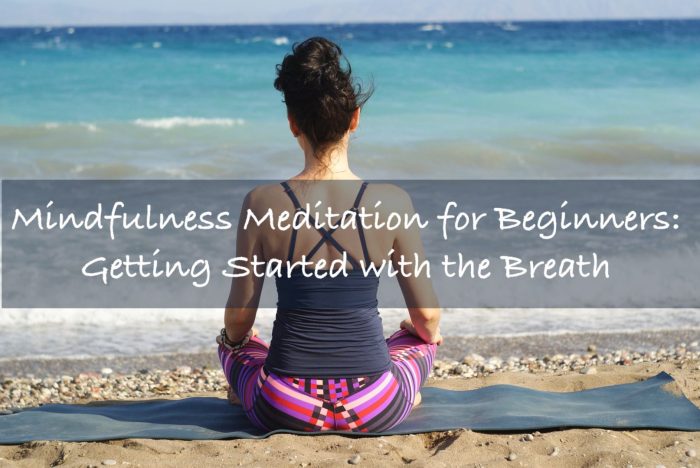
Guided meditation for mindfulness awareness is more than just a trendy wellness practice; it’s a powerful tool for improving mental health and emotional well-being. Regularly engaging in this form of meditation can lead to a host of psychological benefits that help individuals deal with the stresses of daily life. By focusing on the present moment and quieting the mind, practitioners can experience clearer thinking and a deeper connection to themselves and others.The psychological and emotional benefits associated with guided meditation are well-documented.
Practitioners often report reductions in anxiety, improved mood, and greater resilience in the face of challenges. Research shows that meditation can significantly reduce levels of cortisol, the stress hormone, leading to a calmer state of mind. One study published in the journal “Health Psychology” found that participants who practiced mindfulness meditation exhibited a 30% reduction in anxiety and depression symptoms over an eight-week program.
This highlights how just a few sessions can yield substantial emotional benefits.
Psychological and Emotional Benefits, Guided Meditation For Mindfulness Awareness
The psychological and emotional benefits of guided meditation are profound and can have lasting effects on overall well-being. Here are some noteworthy improvements that people frequently experience:
- Enhanced Emotional Regulation: Regular meditation helps individuals manage their emotions better, leading to increased stability and less reactivity in stressful situations.
- Reduced Symptoms of Anxiety and Depression: Studies indicate that consistent mindfulness practice can lead to a decrease in anxiety levels by up to 60% for some individuals.
- Improved Focus and Concentration: Practitioners often report sharper focus and an increase in cognitive clarity, which enhances productivity in daily tasks.
- Increased Self-Awareness: Mindfulness encourages a deeper understanding of one’s thoughts and feelings, fostering personal growth and self-acceptance.
To further underscore the effectiveness of guided meditation, numerous studies provide compelling evidence. For instance, a meta-analysis in “Psychological Bulletin” highlighted that mindfulness-based interventions can lead to significant improvements in psychological distress, with participants showing consistent benefits even after the program has ended. Another research article in “JAMA Internal Medicine” found that mindfulness meditation may help improve anxiety, depression, and pain by encouraging a healthier response to stressors.
“Mindfulness allows people to reconnect with the present moment, which can lead to transformative change in their lives.”
Personal testimonials offer a poignant glimpse into the transformative power of mindfulness meditation. Many individuals report their experiences of overcoming debilitating anxiety and finding peace through guided sessions. One participant shared, “After just a month of practicing guided meditation, I felt a weight lifted off my shoulders. I used to feel overwhelmed all the time, but now I can navigate life’s challenges with a sense of calm.” These shared experiences illustrate not only the individual benefits but also highlight the communal aspect of guided meditation, as many people find support and connection through group sessions.
Each story serves as a reminder that the journey towards mindfulness is unique yet universally beneficial.
Techniques for Effective Guided Meditation Sessions: Guided Meditation For Mindfulness Awareness
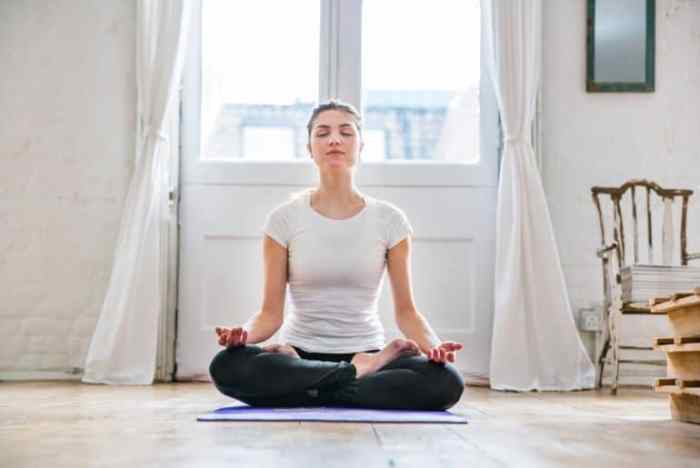
Guided meditation can be a transformative practice, and using the right techniques can significantly enhance the experience. By incorporating methods like visualization and breath awareness, practitioners can deepen their mindfulness and foster a greater sense of calm. This section dives into various techniques that can elevate guided meditation sessions, offering step-by-step guidance and pinpointing common pitfalls to avoid.
Techniques to Enhance Guided Meditation
There are several techniques that can enhance the overall effectiveness of guided meditation. These methods help practitioners focus and engage more fully with the process, leading to a deeper, more meaningful experience. Key techniques include:
- Visualization: This involves creating mental images to evoke specific feelings or experiences. Visualizing a serene beach or a peaceful forest can help transport you to a calming environment, promoting relaxation.
- Breath Awareness: Focusing on your breath serves as an anchor, helping you stay present. Noticing the inhale and exhale can ground your thoughts and redirect your mind from distractions.
- Body Scan: This technique involves mentally scanning your body from head to toe, noticing areas of tension and consciously relaxing them. It fosters a deeper connection with physical sensations.
- Affirmations: Repeating positive affirmations during meditation can reinforce a sense of self-worth and tranquility. Phrases like “I am calm” or “I am at peace” can enhance a positive mindset.
Step-by-Step Guide for Beginners
For those new to guided meditation, following a structured approach can make the process smoother and more enjoyable. Here’s a simple yet effective step-by-step guide:
- Find a Comfortable Space: Choose a quiet, comfortable location where you can sit or lie down without distractions.
- Settle In: Close your eyes and take a few deep breaths. Inhale through your nose, hold for a moment, and exhale through your mouth.
- Focus on Breath: Begin to focus solely on your breath. Notice the rhythm of your breathing, allowing it to naturally deepen.
- Incorporate Visualization: Picture a calming scene, such as a peaceful garden or a gentle stream. Engage your senses by imagining the sights, sounds, and scents.
- Practice Mindfulness: As thoughts arise, acknowledge them without judgment and gently bring your focus back to your breath and visualization.
- Wrap Up: After about 10-20 minutes, slowly bring your awareness back to the room. Wiggle your fingers and toes, and when you’re ready, open your eyes.
Common Pitfalls to Avoid in Guided Meditation
While guided meditation can be beneficial, there are several common pitfalls that practitioners may encounter. Recognizing and addressing these can greatly improve the experience. Consider the following:
- Expecting Immediate Results: Meditation is a practice that takes time. It’s important to approach it without the expectation of instant peace or clarity.
- Distracting Environment: Background noise or interruptions can hinder your focus. Aim to meditate in a quiet space and set boundaries with those around you.
- Overthinking the Process: Many beginners worry about whether they are doing it “right.” Trust the process and allow yourself to simply experience the moment.
- Inconsistency: Regular practice is key to cultivating mindfulness. Set a schedule that allows you to meditate consistently, even if it’s just for a few minutes each day.
Acknowledge distractions and gently guide your focus back to your breath or visualization. This process itself is a part of the meditation.
By implementing these techniques and being mindful of the common pitfalls, anyone can improve their guided meditation experience and cultivate a more profound sense of mindfulness and awareness.
The Role of Technology in Modern Guided Meditation Practices
In today’s fast-paced world, technology has played a crucial role in making guided meditation more accessible than ever. The rise of apps and online resources means that people can engage in mindfulness practices from the comfort of their homes or on the go. This shift not only democratizes access to mental health resources but also encourages a wider audience to explore the benefits of meditation, fostering a community of practitioners.The impact of technology on guided meditation is profound, reshaping how individuals approach their mindfulness routines.
With just a smartphone or computer, anyone can access a wealth of guided sessions that cater to various needs, from stress relief to sleep enhancement. This accessibility has made meditation more appealing to the masses, integrating it into daily life for those who may not have sought it out otherwise.
Impact of Apps and Online Resources on Accessibility
The proliferation of meditation apps and online platforms has transformed the landscape of mindfulness practices. Here are some key points highlighting this transformation:
Ease of Access
Users can explore guided meditations at any time and place, breaking down barriers associated with traditional meditation classes.
Variety of Options
Many apps offer a diverse range of techniques, lengths, and styles, allowing users to find the perfect fit for their unique needs.
Cost-Effectiveness
Many meditation apps provide free introductory sessions, with affordable subscription models for premium content, making it easier for users to begin their mindfulness journey.
Customization
Users can tailor their meditation experiences with personalized plans based on their goals, moods, or specific challenges they are facing.
The convenience of tech means you can meditate whenever and wherever you want, which can be a game changer for maintaining a consistent practice.
Pros and Cons of Technology Versus Traditional Methods
While technology has opened up new possibilities for guided meditation, there are both advantages and disadvantages when comparing digital practices to traditional methods. Pros:
Flexibility
Digital platforms allow users to meditate on their schedule, making it easier to integrate into busy lifestyles.
Anonymity
Practicing at home can be comforting for beginners who might feel intimidated by group settings.
Wide Range of Resources
Access to guidance from various instructors and styles enhances the learning experience. Cons:
Distraction Potential
Notifications and other digital distractions can hinder the meditation experience, reducing its effectiveness.
Over-reliance
There’s a risk of becoming too dependent on technology, which might undermine the goal of developing inner calm and focus.
Superficial Engagement
Not all users may take the practice as seriously when it’s accessed through an app, leading to a lack of depth in their meditation journey.
Popular Meditation Apps and Their Unique Features
Numerous meditation apps have gained traction, each offering unique features to cater to various preferences and needs. Here are a few notable ones:
Headspace
Known for its user-friendly interface and engaging animations, Headspace offers courses that range from beginner to advanced levels, focusing on specific challenges like anxiety or focus.
Calm
This app provides a mix of guided meditations, sleep stories, and soothing music, emphasizing relaxation and mindfulness for sleep improvement.
Insight Timer
With a vast library of free guided meditations and a community feature that allows users to connect, this app is ideal for those seeking a more social meditation experience.
Simple Habit
Designed for busy lifestyles, it offers five-minute meditations that are perfect for quick stress relief during a hectic day.
These apps not only provide guidance but foster a sense of community and support among users, which can be vital for sustained practice.
Creating a Personalized Guided Meditation Routine
Crafting a personalized guided meditation routine can enhance your mindfulness practice, making it more effective and deeply meaningful. Everyone’s meditation journey is unique—shaped by individual needs, preferences, and experiences. Establishing a routine that resonates with you can foster a sense of ownership and commitment, leading to greater mindfulness and well-being.To design your own guided meditation sessions, start by assessing your personal needs and interests.
Consider factors such as the time you have available, the setting in which you meditate, and specific themes or intentions you want to explore. Building a framework around these elements will help shape your practice and keep it aligned with your goals.
Identifying Themes and Intentions
Incorporating specific themes or intentions into your meditation practice is essential for focusing your mind and cultivating awareness. Themes can range from gratitude to self-compassion, stress relief, or even exploring personal growth. Setting a clear intention provides a pathway for your meditation, guiding your thoughts and emotions throughout the session.Begin by reflecting on what you’d like to achieve during your practice.
Here’s how to integrate themes into your sessions:
- Choose a Theme: Select a theme that resonates with you, such as “calmness” or “self-love.” Write it down to make it more tangible.
- Visualize Your Intention: Spend a moment imagining how embracing this theme will feel. Visualization can enhance your connection to the intention.
- Use Affirmations: Incorporate positive affirmations related to your theme. For example, if your theme is self-compassion, affirmations like “I am enough” can reinforce your intention.
- Set the Mood: Create an environment that reflects your chosen theme. Dim the lights, light candles, or play soundscapes that evoke the feeling you want to achieve.
- Reflect Post-Meditation: After your session, take a moment to journal about your experience. Note any insights or feelings that arose, which can help deepen your understanding and commitment to your theme.
Maintaining Consistency and Motivation
Staying consistent in your meditation practice can be challenging, especially when life gets busy. Here are some strategies to help you maintain motivation and adherence to your personalized routine:
- Set a Regular Schedule: Choose specific times for your meditation practice, treating it as a non-negotiable appointment. Whether it’s morning or evening, consistency can build a habit.
- Start Small: If you’re new to meditation or struggling to maintain a routine, begin with just a few minutes each day. Gradually increase the time as you become more comfortable.
- Create a Support System: Share your goals or even meditate with a friend. Having a buddy can increase accountability and make the practice more enjoyable.
- Track Your Progress: Keep a meditation journal to log your experiences. Noting your feelings and insights after each session reinforces your commitment.
- Be Kind to Yourself: Remember, it’s normal to miss a session or feel distracted. Approach your practice with self-compassion—acknowledge your progress without judgment.
“Mindfulness is not a destination; it’s a journey. Embrace each moment as an opportunity for growth and understanding.”
Exploring the Connection Between Guided Meditation and Mindfulness in Daily Life
Guided meditation serves as a powerful tool for cultivating mindfulness, and its benefits extend far beyond the moments spent in quiet reflection. Integrating mindfulness awareness into daily life can transform mundane tasks into opportunities for presence and appreciation. This integration supports emotional well-being, enhances relationships, and fosters a sense of calm, even amidst the chaos of everyday life.
Strategies for Integrating Mindfulness into Daily Activities
Incorporating mindfulness into daily routines can be achieved through various strategies that encourage a deeper presence during activities. Mindfulness can be practiced while engaging in ordinary tasks, turning them into moments of reflection and awareness.
Mindful Eating
Take time to savor each bite, focusing on the flavors, textures, and aromas of your food. This practice not only enhances the enjoyment of meals but also promotes healthier eating habits.
Mindful Commute
Use your travel time as an opportunity for mindfulness. Whether walking, cycling, or using public transport, pay attention to the surroundings, the rhythm of your breath, and the sensations in your body.
Mindful Cleaning
Transform the act of cleaning into a meditative practice by fully engaging with the task. Notice the movements of your body, the textures of surfaces, and the scents of cleaning products.These simple practices can lead to greater awareness and appreciation of life’s little moments, creating a more fulfilling experience.
Enhancing Interpersonal Relationships and Communication Skills
Guided meditation fosters a deeper understanding of oneself, which can enhance how we relate to others. As individuals develop a clearer sense of self through meditation, they also cultivate empathy and compassion. This can significantly impact relationships and communication.
Active Listening
Practicing mindfulness in conversations involves being fully present. This means listening without planning a response, fostering genuine connections and improved understanding.
Non-Reactivity
Mindfulness helps in regulating emotional responses. By taking a moment to pause before reacting, individuals can respond thoughtfully rather than impulsively, leading to healthier interactions.
Compassionate Engagement
Guided meditations often encourage feelings of love and compassion towards oneself and others. Carrying this mindset into daily interactions can soften conflicts and enhance relationships.By focusing on these aspects, individuals can experience richer and more meaningful connections with those around them.
Applying Mindfulness Practices in Stressful Situations
Stressful situations are often where mindfulness can make the most significant difference. Having a toolbox of mindfulness strategies can help navigate challenges with a sense of calm and clarity.
Mindful Breathing
In moments of stress, taking a few deep breaths can help center the mind. Focus on the inhale and exhale, allowing the breath to ground you in the present moment.
Body Scan
Quickly scanning the body to notice areas of tension can help release stress. By bringing awareness to these areas, one can consciously relax and alleviate discomfort.
Gratitude Journaling
Keeping a gratitude journal can shift focus from stressors to positive aspects of life. This practice cultivates a mindset of appreciation, reducing overall anxiety.Incorporating these mindfulness practices into daily life not only aids in managing stress but also enhances overall well-being, creating a more balanced and fulfilling existence.
Summary
As we wrap up, it’s clear that Guided Meditation For Mindfulness Awareness is more than just a practice; it’s a lifestyle that encourages personal growth and emotional resilience. By integrating these techniques into your routine, you can reap the rewards of mindfulness and bring a sense of calm into your everyday life. Remember, the journey of meditation is personal—embrace it, and let it guide you toward a more mindful existence.
FAQ Explained
What is guided meditation?
Guided meditation is a practice where an instructor provides verbal cues to help you focus your mind and achieve a meditative state.
Can beginners practice guided meditation?
Absolutely! Guided meditation is ideal for beginners, as it provides instruction and support to ease you into the practice.
Do I need special equipment for guided meditation?
No special equipment is needed, but a quiet space and comfortable seating can enhance your experience.
How long should a guided meditation session last?
Sessions can vary, but even 5-10 minutes can be effective. Start small and gradually increase the duration as you become more comfortable.
Can I practice guided meditation anywhere?
Yes! You can practice guided meditation anywhere you feel comfortable and can focus, whether at home, a park, or even at work.