Five Minute Mindful Meditation Practice is your quick ticket to finding calm amidst the chaos of daily life. It’s amazing how just a few moments dedicated to mindfulness can transform your day. This practice is not just about sitting in silence; it’s about immersing yourself in the present moment, tuning into your breath, and letting go of stress. Whether you’re new to meditation or looking for a quick reset during a busy day, this five-minute routine can fit seamlessly into your life.
In a world that’s always on the go, finding time for yourself can feel like a challenge. But with just five minutes to spare, you can enhance your well-being, clear your mind, and foster a sense of peace. This practice is rooted in mindfulness, a concept with deep historical roots that has been adapted to suit modern lifestyles. So, let’s dive into how you can make the most of these five minutes and reap the benefits of mindful meditation.
Exploring the Concept of Mindfulness in Meditation
Mindfulness is more than just a trendy buzzword; it’s a practice rooted in ancient traditions, serving as the bedrock of various meditation techniques. This simple yet powerful concept encourages individuals to be present in the moment, acknowledging thoughts, feelings, and physical sensations without judgment. By honing in on the present, mindfulness creates a space where deep self-awareness and clarity can flourish, enabling a profound understanding of one’s experiences.Historically, the practice of mindfulness originates from Buddhist teachings, where it was integral to overcoming suffering and attaining enlightenment.
Mindfulness, or “sati” in Pali, is one of the key elements of the Buddhist path. Over the last few decades, mindfulness has transcended cultural boundaries, making its way into Western practices and modern meditation techniques, particularly through the work of pioneers like Jon Kabat-Zinn. His Mindfulness-Based Stress Reduction (MBSR) program seamlessly integrates mindfulness into a variety of therapeutic contexts, showcasing its versatility and relevance in today’s fast-paced world.Mindfulness can significantly enhance personal well-being and daily life by fostering a more balanced perspective.
One way it does this is through stress reduction. When individuals practice mindfulness, they learn to observe their thoughts and feelings without becoming overwhelmed. This can lead to reduced levels of anxiety and stress, promoting mental clarity and emotional resilience. Moreover, mindfulness encourages individuals to cultivate gratitude and appreciation for the present. This can manifest in everyday activities, such as savoring a meal or appreciating nature during a walk.
By bringing awareness to these moments, people often find joy in the smallest aspects of life, which can have a ripple effect on overall happiness. Furthermore, studies have indicated that regular mindfulness practice can improve focus and productivity. For example, employees who engage in mindfulness at work tend to experience less burnout and increased job satisfaction. This illustrates that mindfulness not only enriches personal life but can also enhance professional effectiveness.
“Mindfulness is the awareness that arises from paying attention, on purpose, in the present moment, and non-judgmentally.”
Jon Kabat-Zinn
The Benefits of a Five Minute Meditation Practice

Committing just five minutes a day to meditation can yield significant benefits for both mental and physical well-being. This short yet impactful practice can create a ripple effect throughout your day, helping you navigate life’s challenges with greater ease and clarity. Let’s dive into some specific advantages that come with this brief meditative approach.
Key Benefits of Regular Five Minute Meditation
Taking just five minutes out of your day can enhance your overall quality of life. Here are several benefits that can result from a consistent five-minute meditation practice:
- Reduced Stress: Five minutes of focused breathing and mindfulness can lower cortisol levels, which is the hormone associated with stress. By providing a moment of calm, it helps reset your mental state.
- Decreased Anxiety: Regular practice can lead to lower anxiety levels, as meditation encourages a shift in focus from worries to the present moment, fostering a sense of safety and grounding.
- Improved Focus: Just a few minutes of meditation can enhance your concentration and clarity, making it easier to tackle tasks and make decisions throughout the day.
- Better Emotional Health: Meditation has been linked to improvements in overall mood and emotional well-being, helping to reduce symptoms of depression and promote a more positive outlook.
- Enhanced Self-Awareness: Spending time in meditation encourages self-reflection, allowing you to gain insight into your thoughts, behaviors, and emotional patterns, ultimately leading to personal growth.
The immediate effects of a short meditation practice can be quite profound, especially for those dealing with daily stressors and anxiety. Many find that just five minutes of mindful breathing can create a noticeable shift in their mood and perspective. This practice allows individuals to step back from their racing thoughts, providing a mental break that can lead to increased clarity and calmness.
“Meditation is a vital way to purify and quiet the mind, thus rejuvenating the body.”
David Lynch
Experiences from Five Minute Meditation Practitioners, Five Minute Mindful Meditation Practice
Individuals who have integrated five-minute meditation sessions into their daily routines often share transformative experiences. Here are some testimonials that highlight the positive impacts of this practice:
- Sarah, a busy mom: “I never thought five minutes could make such a difference. It’s my little escape amidst the chaos of parenting, helping me stay calm and focused.”
- Mike, a college student: “Before exams, I take five minutes to meditate. It helps me clear my head and reduces my anxiety, making studying so much easier.”
- Laura, a corporate employee: “Five minutes of meditation during my lunch break recharges my energy and clears my mind. I come back to work feeling refreshed and more productive.”
- James, a retiree: “Starting my day with five minutes of meditation has transformed how I approach each day. I feel more positive and ready for whatever comes my way.”
These experiences illustrate that even a brief meditation practice can foster significant changes in mood and productivity. By committing just a few minutes to mindfulness, you can cultivate a greater sense of peace, awareness, and emotional resilience that supports a healthier lifestyle.
Step-by-Step Guide to Conducting a Five Minute Mindful Meditation
Creating a calming, focused meditation experience is essential, even when time is limited to just five minutes. This guide will help you navigate through each step to make the most of your short meditation session. By establishing a structured routine, you’ll find that even a brief period of mindfulness can lead to significant benefits for your mental clarity and emotional well-being.Setting the stage for meditation is as crucial as the practice itself.
You’ll want to create an environment that promotes relaxation and focus. Here are some key elements to consider when preparing your meditation space.
Creating a Conducive Environment
A well-designed meditation space can enhance your experience and help you sink into mindfulness more effortlessly. Here are important factors to keep in mind while setting up your space:
- Lighting: Soft, natural lighting is ideal. If you’re indoors, try to meditate near a window or use lamps with warm bulbs. Avoid harsh overhead lights.
- Sound: Silence is golden, but soft background music or nature sounds can be beneficial. Consider using white noise or a gentle fan if complete silence isn’t achievable.
- Seating: Choose a comfortable seat that supports your posture. This could be a cushion, chair, or even the floor. Make sure you can sit upright without straining.
- De-clutter: Remove distractions from your space. A clean, organized area can help you focus better and promote a sense of calm.
Once your environment is set, it’s time to focus on the meditation techniques that will help anchor your attention during the practice.
Techniques for Focusing Attention
Maintaining concentration during meditation can be challenging, especially for beginners. Implementing specific techniques will help you stay centered and engaged in the moment. Here are two effective methods:
- Breath Awareness: Concentrate on your breathing. Inhale deeply through your nose, allowing your belly to rise, and exhale slowly through your mouth. Count your breaths if it helps maintain focus. For instance, inhale for four counts, hold for four, and exhale for six.
- Body Scanning: This technique involves mentally scanning your body from head to toe. Start at the crown of your head and gradually move down, noticing any sensations or tension. This helps ground your awareness in the present and promotes relaxation.
Incorporating these techniques allows for a deeper connection with your practice, helping you cultivate mindfulness and clarity even in a short session. Remember, the intent behind your meditation is fundamental; approach it with an open heart and mind.
Common Challenges Faced During Short Meditation Practices
Meditation, even for just five minutes, can sometimes feel like a daunting task. People often approach it with high hopes but encounter several challenges along the way. Understanding these common hurdles can help in finding effective ways to maintain focus and build a consistent habit.
Distractions During Meditation
One of the primary obstacles people face when engaging in short meditation practices is distractions. These can come in many forms—external sounds, internal thoughts, or even physical discomfort. It’s common for the mind to wander, leading to frustration. To tackle distractions, consider these strategies:
- Create a Peaceful Environment: Designate a quiet space free from interruptions. This can make a significant difference in your ability to focus.
- Use Guided Meditations: Apps and recordings can help keep you on track, providing a gentle nudge back to your breath or mantra when your mind drifts.
- Set a Timer: Knowing that your meditation has a set end point can reduce anxiety about time passing and help you relax into the practice.
Restlessness and Impatience
Another common challenge is restlessness. The urge to check the clock or to finish up can impede the experience. Some may feel as though five minutes is too long when they first start.To combat restlessness, these approaches can be beneficial:
- Focus on the Breath: Concentrating on inhaling and exhaling can ground you, providing a focal point that quiets the mind.
- Progressive Muscle Relaxation: Tensing and then relaxing different muscle groups can shift your attention from anxious thoughts to the present moment.
- Accept Your Feelings: Rather than resisting feelings of restlessness, acknowledge them. Understanding that it’s okay to feel this way can make it easier to let go.
Building a Consistent Habit
Establishing a regular meditation practice often requires patience and persistence. Many beginners may feel discouraged if they don’t experience immediate benefits or if they struggle to maintain focus. To develop a sustainable meditation habit, consider the following:
- Start Small: If five minutes feels tough, begin with just one or two minutes. Gradually increase the duration as you become more comfortable.
- Keep a Meditation Journal: Documenting your experiences can help you track progress and reflect on the benefits you notice over time.
- Stay Committed: Consistency is key. Even on days when it’s challenging, sticking to your practice can help foster resilience and deepen your experience.
“Patience and persistence are crucial in developing a meditation habit; they allow you to navigate through difficulties while cultivating a deeper understanding of yourself.”
Incorporating Mindful Meditation into a Busy Schedule
Finding the time to meditate can feel like a daunting task, especially when life is running at full speed. However, incorporating a five-minute meditation practice into a busy schedule is not only possible but can also be incredibly rewarding. By being intentional about when and how you meditate, you can easily weave mindfulness into your daily routine without feeling overwhelmed.Amidst the chaos of daily life, there are several opportunities to integrate short meditation sessions.
The key is to identify moments during the day where you can pause and take a breather. Here are some practical tips on how to effectively include five-minute meditation practices in your hectic lifestyle.
Optimal Times for Daily Meditation
Identifying specific moments throughout your day that can serve as natural breaks is essential. Here are some prime opportunities for a quick meditation session:
- Morning Routine: Start your day with a five-minute meditation right after you wake up. This sets a positive tone for the day ahead and helps clear your mind before diving into daily tasks.
- Before Lunch: Use this time to pause and recharge. A quick session can help refresh your focus and increase productivity for the rest of the afternoon.
- Commute: Whether you’re on public transport or in your car, take five minutes to focus on your breath or listen to a guided meditation. Just ensure you remain aware of your surroundings if you’re driving.
- While Waiting: Be it at the doctor’s office, waiting for a friend, or during any unexpected downtime, take advantage of these moments by meditating instead of scrolling through your phone.
- Evening Wind Down: Before bed, spend a few minutes meditating to help calm your mind, making it easier to ease into sleep.
Setting reminders or creating cues can also make a huge difference in maintaining your meditation practice. Here are some effective strategies:
Strategies for Reminders and Cues
Establishing prompts that will gently nudge you into your meditation practice can enhance consistency and effectiveness. Consider the following methods:
- Use Your Phone: Set alarms or calendar notifications to remind you to meditate at your chosen times.
- Visual Cues: Place sticky notes in visible locations, like your bathroom mirror or computer screen, with encouraging messages about meditation.
- Pair with Existing Habits: Tie your meditation practice to an existing routine. For example, meditate right after brushing your teeth or before you start your workday.
- Mindfulness Apps: Leverage technology by downloading apps that provide reminders and guided meditations specifically designed for short sessions.
“Mindfulness isn’t difficult. What’s difficult is to remember to be mindful.” – Jon Kabat-Zinn
Integrating mindful meditation into a busy schedule is about being intentional with your time and finding the right moments to breathe and reflect. With these tips, you can carve out five minutes amidst the chaos and cultivate a more mindful existence.
The Role of Guided Meditations in a Five Minute Practice: Five Minute Mindful Meditation Practice
In the fast-paced world we live in, finding a moment to center ourselves can be challenging. Guided meditations offer a structured approach to mindfulness, making them an excellent choice for short, five-minute sessions. By having someone lead you through the practice, it’s easier to stay focused and reap the benefits of meditation, even when time is tight.Guided meditations can enhance the effectiveness of short sessions by providing clear directions and support.
They help to eliminate distractions by giving your mind something to focus on, allowing you to dive deeper into relaxation and mindfulness in a shorter time. Plus, many guided meditations are tailored to specific intentions, whether it’s stress relief, increasing focus, or simply finding calmness. With the right guidance, you can maximize your limited time and exit the meditation feeling refreshed and rejuvenated.
Popular Apps and Platforms for Five-Minute Guided Meditations
There are numerous apps and platforms available that cater to the needs of those looking for quick guided meditations. These resources make finding the right session easy, and many are user-friendly. Here are some popular options worth exploring:
- Headspace: Known for its engaging interface and wide variety of meditation topics, Headspace offers several five-minute sessions focused on different themes, from anxiety relief to boosting creativity.
- Calm: Calm provides a collection of short guided meditations, along with soothing background sounds to enhance the experience. Their “Daily Calm” is a well-received five-minute practice.
- Insight Timer: This app has a massive library of guided meditations from various teachers, allowing you to filter by length, including numerous five-minute options.
- Simple Habit: Designed for busy people, Simple Habit offers quick guided meditations specifically aimed at reducing stress and increasing focus in just five minutes.
Choosing the right guided meditation is essential for making the most out of your practice. With so many options available, it’s vital to consider your personal preferences and needs. Factors like meditation style, voice preferences, and specific goals should guide your selection process.
Selecting the Right Guided Meditation
When selecting a guided meditation, consider the following aspects to ensure it aligns with your personal preferences:
- Purpose: Identify what you want to achieve with your meditation. Whether it’s stress reduction, relaxation, or focus enhancement, choosing a meditation that aligns with your goals is key.
- Voice and Tone: The guide’s voice can significantly impact your experience. Some people prefer soothing and gentle tones, while others may find a more energetic voice motivating.
- Style: Different guided meditations employ various techniques, such as visualization or breathwork. Explore different styles to find what resonates with you.
- Reviews and Ratings: Check user reviews or ratings on apps and platforms to get a sense of which meditations are popular and effective for others.
By considering these factors, you can tailor your meditation practice to fit your unique needs, making your five-minute sessions more impactful. Guided meditations serve as an excellent tool to transform brief moments into meaningful experiences that enhance your overall well-being.
Evaluating Progress in Mindful Meditation Practice
Tracking your journey in mindful meditation is crucial for understanding your growth and enhancing your practice. It’s not just about sitting quietly for a few minutes each day; it’s about recognizing how those moments influence your daily life. Evaluating your progress can help you stay motivated and allow you to see the subtle shifts in your awareness and emotional responses over time.Establishing a framework for assessing your meditation experience can empower you to recognize improvements and identify areas for further exploration.
This involves self-reflection, tracking your feelings, and setting achievable goals. Creating a structure for this evaluation process can enrich your meditation practice and deepen your mindfulness.
Methods for Journaling Meditation Experiences
Journaling is a personal and effective way to reflect on your meditation practice. It can help you articulate your thoughts and feelings, providing insight into your progress. Here are some useful approaches to consider:
- Daily Reflections: Spend a few minutes after each session writing down what you experienced. Focus on your emotions, thoughts, and any distractions you encountered.
- Weekly Summaries: At the end of each week, summarize your insights. Look for patterns in your experiences and note any changes in your mood or stress levels.
- Themed Journaling: Choose specific themes to explore during your meditation sessions, such as gratitude, anxiety, or love. Reflect on how these themes manifest in your thoughts and feelings.
- Gratitude Lists: After your meditation, jot down things you are grateful for. This can enhance your overall sense of well-being and help you focus on positive aspects of your life.
“Journaling is like a mirror reflecting not only progress but also the depth of your inner experience.”
Importance of Setting Realistic Goals
Setting realistic goals in your meditation practice is essential for measuring improvement and keeping your motivation high. Goals should be specific, achievable, and time-bound. Here’s how to approach goal-setting:
- Define Clear Objectives: Instead of vague goals like “become more mindful,” aim for something concrete, such as “meditate for 10 minutes daily.”
- Adjust as Needed: Be flexible with your goals. If daily meditation feels overwhelming, adjust your target to a few times a week and build up from there.
- Track Milestones: Celebrate small victories, such as completing a week of consistent practice or noticing a reduction in stress levels. These milestones help maintain enthusiasm.
- Reflect on Progress: Regularly review your goals and experiences. This reflection can inform whether you need to change your approach or set new objectives.
“Mindfulness is not a destination, but a journey; setting realistic goals helps illuminate the path ahead.”
The Science Behind Mindful Meditation and Mental Health
Recent studies have increasingly highlighted the significance of mindful meditation in promoting mental well-being. Short meditation practices, especially those lasting around five minutes, have been shown to provide substantial benefits for mental health, making mindfulness an accessible tool for many people looking to improve their emotional resilience and overall mental state. It’s fascinating how even a brief moment of mindfulness can shift our mental landscape.Research indicates that just a few minutes of meditation can alter brain structures and functions, affecting our emotional responses and stress levels.
Neuroscience has revealed that mindfulness practices activate specific neurological pathways associated with emotional regulation and stress reduction. These practices enhance connectivity in the brain areas responsible for attention, self-awareness, and empathy, which can lead to improved emotional responses and decreased symptoms of anxiety and depression.
Impact of Short Meditation on Mental Health
The effects of five-minute meditation have been compared with longer meditation practices, revealing some interesting insights. Even though longer sessions tend to deepen the practice, shorter meditations can still yield remarkable benefits. Here are some key points to consider:
- Stress Reduction: Short meditation can quickly lower cortisol levels, the stress hormone, allowing individuals to feel more relaxed and centered almost immediately.
- Improved Focus: Even brief moments of mindfulness can enhance attention and focus, which can be particularly beneficial in high-stress environments or during busy workdays.
- Increased Emotional Regulation: Five-minute sessions have been associated with better control over emotional reactions, helping individuals respond to stressors with greater calmness and clarity.
- Accessibility: Short meditative practices can easily be integrated into daily routines, making mindfulness more attainable for individuals with busy lifestyles.
- Consistent Practice Benefits: Regular short sessions can establish a habit of mindfulness, leading to cumulative benefits over time that can rival those of longer practices.
Mindfulness has been shown to influence emotional responses profoundly. Studies suggest that short meditation practices can activate the prefrontal cortex, an area of the brain associated with higher executive functions such as decision-making and impulse control. Additionally, regular mindfulness practice can lead to a decrease in activity in the amygdala, the brain’s fear center, which helps in reducing anxiety and enhancing emotional resilience.The cumulative effects of short meditation practices are significant.
For instance, participants in a study reported feeling less stressed and more present after just a week of incorporating five-minute sessions into their daily routine. This suggests that even minimal meditation can create lasting changes in mental health and emotional well-being, promoting a stronger foundation for more extensive mindfulness practices in the future.
Creating a Supportive Community for Meditation Enthusiasts
Joining a meditation group or community can deeply enhance your mindfulness journey. These spaces allow individuals to share experiences, provide motivation, and cultivate a sense of belonging, making the practice of meditation even more enriching. Engaging with others who share similar goals can foster accountability and encourage you to maintain a consistent practice.Participating in a community can be incredibly beneficial for both beginners and seasoned meditators.
It opens up opportunities to learn new techniques, share resources, and simply connect with like-minded individuals. Feeling part of a collective effort can also significantly boost your motivation and deepen your understanding of mindfulness practices.
Benefits of Joining a Meditation Group
Being part of a meditation community can transform your approach to mindfulness. Here are some key benefits:
- Shared Experiences: Sharing personal insights and challenges can help you feel less isolated in your meditation journey. Hearing how others overcome similar obstacles can be encouraging.
- Motivational Support: A community can provide a support system that keeps you accountable. Regular group sessions can inspire you to stick with your practice.
- Learning Opportunities: Many groups host workshops or talks led by experienced practitioners. This exposure can introduce you to various meditation styles and philosophies.
- Emotional Connection: Building relationships with fellow meditators can create a strong emotional bond, providing comfort and friendship.
Online and Local Platforms for Mindfulness Practices
There are numerous platforms available for those looking to join a meditation community. These options range from local meet-ups to online forums, ensuring that there’s something for everyone.For online platforms, consider:
- Insight Timer: A popular app that features guided meditations, community groups, and friendships based on shared practices.
- Meetup: A great way to find local meditation groups in your area, often organized around specific interests like mindfulness or yoga.
- Facebook Groups: There are countless groups dedicated to meditation where members share tips, resources, and encouragement.
- Reddit: Subreddits like r/Meditation provide a space for discussion, advice, and shared experiences in meditation.
Local options may include:
- Yoga Studios: Many yoga studios offer meditation classes or workshops where you can meet others interested in mindfulness.
- Community Centers: Local community centers often hold meditation sessions or mindfulness workshops.
- Spiritual Centers: Places of worship or spiritual gatherings frequently host meditation groups that welcome people from all backgrounds.
Fostering Connections with Fellow Meditators
Creating meaningful connections within a meditation community can significantly enhance your practice. Building these relationships can lead to lasting friendships and provide valuable support. Here are some tips to foster connections:
- Be Open and Approachable: Share your journey and experiences. Vulnerability can create a deeper connection with others.
- Participate Actively: Engage in discussions, attend events, and contribute your thoughts. The more involved you are, the more you’ll connect.
- Offer Help and Support: If someone shares a struggle, offer your insights or simply listen. Being supportive helps to strengthen community bonds.
- Join Group Activities: Attend retreats, workshops, or group meditations to deepen connections and experience collective practice.
Closing Notes
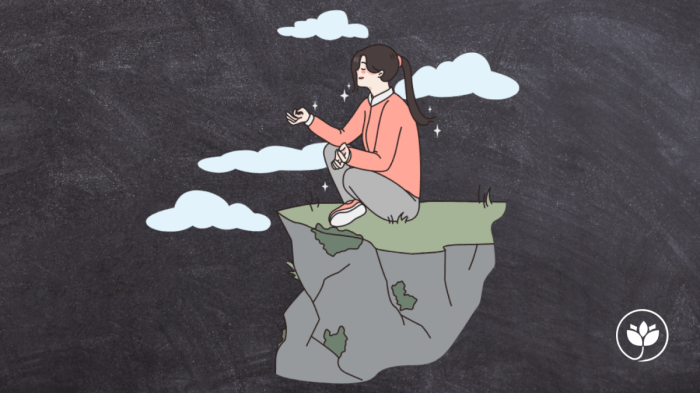
In conclusion, incorporating a Five Minute Mindful Meditation Practice into your daily routine can open up a world of benefits, from reduced stress and anxiety to improved focus and clarity. It’s a simple yet powerful tool that empowers you to take control of your mental health, no matter how hectic life gets. By investing just five minutes in mindfulness, you’re not only enhancing your personal well-being but also creating a ripple effect that positively influences those around you.
So why not give it a try? Your mind will thank you.
Popular Questions
What is the best time to practice five-minute meditation?
The best time is whenever you feel stressed or need a mental break, whether that’s in the morning to start your day or during a lunch break.
Can beginners do five-minute meditation?
Absolutely! It’s perfect for beginners as it’s short and manageable, making meditation accessible without feeling overwhelming.
Do I need any special equipment for this practice?
No special equipment is needed! Just find a quiet space where you can sit comfortably.
How do I stay focused during the meditation?
Focusing on your breath or using a guided meditation can help keep your mind from wandering.
Is five minutes enough to see benefits from meditation?
Yes, even a short practice can reduce stress and improve your overall mental health, especially when done consistently.