Meditation And Mindfulness Course Overview invites you to explore the transformative power of these ancient practices. From their rich historical roots to their modern applications, this course delves deep into how meditation and mindfulness can enhance your life. Whether you’re a total beginner or someone looking to deepen your practice, this overview will guide you through what to expect and how to get the most out of your experience.
This course not only covers essential techniques and methods but also highlights the psychological and physiological benefits that regular practice can provide. By integrating meditation and mindfulness into your daily routine, you can improve your mental clarity, emotional health, and overall well-being. With a focus on accommodating different learning styles, the course is designed to ensure everyone finds their path to mindfulness.
The Historical Context of Meditation and Mindfulness Practices
Meditation and mindfulness have deep roots in various cultures, each contributing unique perspectives and techniques over thousands of years. Understanding their historical context enriches our appreciation for these practices and highlights their evolution into the contemporary forms we recognize today. The origins of meditation can be traced back to ancient civilizations, particularly in the spiritual traditions of India and China around 1500 BCE.
In India, Vedic texts detail early forms of meditation, focusing on the union of the self with a higher consciousness. The practice evolved further with the rise of Buddhism in the 5th century BCE, where Siddhartha Gautama, known as the Buddha, emphasized mindfulness as a path to enlightenment. Mindfulness, or ‘sati’ in Pali, became central to Buddhist teachings, promoting awareness of the present moment and the importance of observing thoughts and feelings without judgment.Cultural approaches to meditation vary widely and illustrate the diverse paths humans have taken in their quest for inner peace.
In India, yoga incorporates meditation as a holistic practice that unites the mind, body, and spirit through physical postures, breathing techniques, and meditative focus. In contrast, Taoist meditation from China emphasizes harmonizing with the flow of nature, often incorporating visualization and breathing exercises to achieve balance and tranquility.Several significant figures have played pivotal roles in the development of these techniques.
Alongside the Buddha, Patanjali is a key figure in Indian tradition, known for compiling the Yoga Sutras, which Artikel the philosophy and practice of yoga, including meditation. In the 20th century, figures like Thich Nhat Hanh and Jon Kabat-Zinn brought mindfulness into the modern context, integrating it into psychology and health practices. Their work has expanded awareness of how mindfulness can aid in stress reduction and emotional well-being.As meditation and mindfulness continue to evolve, their historical roots remain a vital part of their identity, reminding us that these practices are not just modern trends but rather timeless tools for cultivating peace and awareness across cultures and generations.
Overview of the Course Structure and Objectives
The Meditation and Mindfulness Course is designed to provide a comprehensive understanding of both practices, equipping participants with the skills to incorporate them into their daily lives. This course caters to individuals at all levels, from beginners to advanced practitioners, ensuring that everyone can find value and relevance in the content. With a blend of theoretical knowledge and practical exercises, you’ll get a well-rounded experience that promotes personal growth and well-being.The course is divided into several key modules that focus on different aspects of meditation and mindfulness.
Each module is crafted to build upon the previous one, ensuring a structured and coherent flow of learning. The primary objectives of the course include enhancing self-awareness, reducing stress, improving concentration, and cultivating a greater sense of calm and presence in everyday life. By the end of the course, participants should be able to practice various meditation techniques and apply mindfulness principles effectively in their routines.
Course Modules and Focus Areas
This course comprises the following modules, each tailored to address specific facets of meditation and mindfulness:
- Module 1: Introduction to Meditation – This module covers the history and philosophy of meditation, different techniques, and the science behind its effectiveness. Participants will explore various forms of meditation like focused attention and loving-kindness.
- Module 2: Mindfulness Basics – This section delves into the principles of mindfulness, teaching participants how to stay present in the moment and recognize their thoughts and emotions without judgment.
- Module 3: Breathing Techniques – Here, students will learn the importance of breath in meditation and mindfulness practice, focusing on different breathing exercises to enhance relaxation and focus.
- Module 4: Meditation Practices – This module offers guided sessions for various meditation practices, including body scan and visualization, allowing participants to experience and find what resonates with them.
- Module 5: Mindfulness in Daily Life – Students will explore practical strategies for integrating mindfulness into everyday activities, such as eating, walking, and even during conversations.
- Module 6: Advanced Techniques – For those looking to deepen their practice, this module covers techniques like mantra meditation and transcendental meditation, providing a pathway for advanced practitioners.
The course is structured to accommodate various learning styles, employing a mix of visual aids, auditory instructions, and kinesthetic activities. Each module incorporates video lectures, guided audio meditations, and interactive assignments, appealing to visual, auditory, and tactile learners alike. This diverse approach ensures that all participants can engage with the material in ways that align with their learning preferences, maximizing retention and application of skills.
“Mindfulness isn’t difficult. What’s difficult is to remember to be mindful.” – Jon Kabat-Zinn
Techniques and Methods Taught in the Course
This course offers a variety of meditation and mindfulness techniques designed to enhance your mental well-being, reduce stress, and cultivate a deeper sense of presence in everyday life. Each method is carefully chosen to cater to different preferences and lifestyles, allowing you to find what resonates best with you. By integrating these techniques into your daily routine, you can transform your approach to life’s challenges and experiences.Mindfulness and meditation techniques are not just practices; they are tools that can help you navigate life with greater awareness and peace.
Throughout the course, you’ll be introduced to several effective methods that can be seamlessly incorporated into your everyday activities. Below is a list of key techniques taught in the course, providing you with a solid foundation for your mindfulness journey.
Techniques Overview, Meditation And Mindfulness Course Overview
The following techniques are central to the course and are aimed at fostering a mindful attitude and a meditative state:
- Guided Meditation: This involves listening to a facilitator who leads you through meditative visualizations or mindfulness exercises, making it easier to relax and focus.
- Breath Awareness: A fundamental practice that involves concentrating on your breath, helping you to ground yourself in the present moment and manage stress effectively.
- Body Scan Technique: A systematic way of tuning into different parts of your body, promoting relaxation and awareness of physical tension or discomfort.
- Mindful Walking: Turning a simple walk into a meditative practice by focusing on the sensations of movement, your breathing, and your surroundings.
- Loving-Kindness Meditation: A practice focused on cultivating love and compassion towards yourself and others, fostering positive emotions and reducing negativity.
- Journaling for Mindfulness: Writing down thoughts, feelings, and experiences to reflect on them and enhance self-awareness.
Integrating these techniques into daily life can be simple and effective. For instance, you can practice breath awareness during your morning commute or utilize body scan techniques before bedtime to promote relaxation. Guided meditations can serve as a perfect way to start or end your day, while mindful walking can be incorporated into your lunch break. The goal is to find opportunities to bring mindfulness into your routine, enhancing your awareness and overall well-being.
The Psychological and Physiological Benefits of Meditation and Mindfulness
Meditation and mindfulness practices are more than just trendy wellness activities; they offer profound psychological and physiological benefits that can transform our lives. By taking a few moments each day to focus inward, we can cultivate a healthier mindset and a more resilient body. Research supports these benefits, revealing a treasure trove of positive outcomes linked to regular meditation and mindfulness practices.
The psychological effects of meditation are vast and well-documented. Regular practice can lead to reduced symptoms of anxiety and depression, improved focus, and enhanced overall emotional well-being. A study published in the journal “Psychological Science” found that participants who practiced mindfulness meditation experienced significant reductions in anxiety and improved emotional regulation. This practice helps individuals break the cycle of negative thinking and fosters a sense of calm and clarity in daily life.
Research Findings Supporting Benefits
Numerous studies have explored the benefits of meditation on both mind and body. For instance, a meta-analysis in “JAMA Internal Medicine” highlighted that mindfulness meditation programs can lead to moderate improvements in anxiety, depression, and pain. Furthermore, brain imaging studies have shown that regular meditation can alter the structure of the brain, increasing gray matter in areas associated with memory, sense of self, empathy, and stress regulation.
Another influential study from Harvard University demonstrated that eight weeks of mindfulness meditation could actually change the brain’s grey matter density, showing a measurable increase in areas linked to emotion regulation and stress response.
Mindfulness also plays a crucial role in enhancing emotional regulation and managing stress. It provides tools for individuals to observe their thoughts and feelings without judgment, which helps in recognizing emotional triggers and developing healthier responses. This awareness can lead to a reduction in impulsive reactions and a greater capacity for patience and understanding. By practicing mindfulness, people can learn to navigate life’s challenges with greater ease, making it a valuable skill for both personal and professional growth.
Incorporating mindfulness into daily routines can significantly improve resilience against stress. For instance, many people find that after just a few weeks of regular practice, they are better equipped to handle stressful situations at work or in personal relationships. Being able to step back and assess a situation calmly can prevent escalation and maintain harmony in interactions. In summary, the psychological and physiological benefits of meditation and mindfulness are backed by solid research, promoting mental clarity, emotional balance, and overall well-being.
Target Audience and Prerequisites for Attending the Course

This course is designed for anyone looking to enhance their mental well-being, improve focus, or simply seek a bit of peace in a chaotic world. Whether you’re a complete beginner or someone with some experience in meditation and mindfulness, this course welcomes you. We have tailored our content to engage a diverse age group, from young adults in their early twenties seeking stress relief from academic pressures, to seniors wanting to cultivate a more mindful way to approach daily life.
While there are no strict prerequisites for attending, a general openness to exploring mindfulness practices is beneficial. Participants may come from various backgrounds, including those in high-stress jobs, students, parents, and individuals in search of personal growth. It’s ideal for anyone interested in self-improvement, emotional regulation, or simply wanting to learn techniques to enhance their daily lives.
Recommended Prior Knowledge and Insights from Participants
Before jumping into the course, it’s helpful if participants have a basic understanding of mindfulness concepts. This could be as simple as having read an introductory book or attended a short workshop. Familiarity with terms like “mindfulness,” “breath awareness,” or “guided imagery” can enhance the learning experience, but it’s not a deal-breaker if you’re just starting out. Many past participants have shared their positive insights from the course.
Here are a few highlights:
“I came in with zero experience and left with tools I use daily to manage stress. It was truly life-changing!” – Sarah, 28
“The course helped me reconnect with myself. I thought I was too busy for mindfulness, but now I see how it can fit into my life.” – Mike, 45
“I appreciated the supportive atmosphere. Everyone was at different levels, yet we all learned together.” – Linda, 62
These testimonials showcase the course’s inclusivity and the transformative impact it can have, no matter where you start. Participants have expressed that the journey of mindfulness is personal, and this course provides a nurturing environment for everyone to grow.
Tools and Resources for Practice Beyond the Course
After completing your meditation and mindfulness course, it’s essential to keep the momentum going. Thankfully, there are numerous tools and resources available that can help you maintain and deepen your practice. Whether you’re looking for apps to guide your sessions, books filled with wisdom, or online communities where you can share experiences, there’s something out there to suit your needs.One of the most effective ways to enhance your mindfulness journey is through technology.
Meditation apps can provide structured guidance and support, making it easier to integrate mindfulness into your daily routine. Here’s a look at some popular options:
Meditation Apps
Several apps have gained popularity for their unique features and user-friendly interfaces. Here are a few you might consider:
- Headspace
-This app offers a variety of meditations tailored to different needs, like stress relief or better sleep. Its animated graphics and engaging content make it appealing for beginners. - Calm
-Known for its soothing sounds and sleep stories, Calm is perfect for those who struggle with relaxation. It also includes guided meditations and breathing exercises. - Insight Timer
-This app boasts a vast library of free meditations and offers a community aspect where users can connect and share experiences, fostering a supportive environment.
Books also serve as valuable resources for continued exploration. They can deepen your understanding of mindfulness concepts and provide new techniques to try. Consider these titles:
Recommended Books
- The Miracle of Mindfulness by Thich Nhat Hanh
-A classic that introduces mindfulness through simple practices and philosophies. - Mindfulness in Plain English by Bhante Henepola Gunaratana
-This book provides a practical approach to meditation and mindfulness, making it accessible for readers of all levels. - The Mindful Path to Self-Compassion by Christopher K. Germer
-Focusing on self-compassion, this book combines mindfulness with emotional healing techniques.
Lastly, connecting with others can enhance your practice. Online communities exist where you can share insights, participate in discussions, and find inspiration. Here are a few notable ones:
Online Communities
- Insight Timer Community
-Beyond the app, Insight Timer has forums where users can discuss meditation experiences and share tips. - Mindfulness Meditation Facebook Groups
-Numerous groups on Facebook focus on mindfulness and meditation. They provide a platform for sharing resources and personal experiences. - Reddit – r/Meditation
-This Reddit community allows users to share their insights, ask questions, and learn from one another.
By utilizing these tools and resources, you can ensure that your meditation and mindfulness practice continues to grow and evolve long after the course ends.
Integration of Meditation and Mindfulness into Professional Settings
In today’s fast-paced work environments, the integration of meditation and mindfulness practices can significantly enhance employee well-being and productivity. Companies are beginning to recognize the value of these practices not just for individual stress reduction, but as a strategic advantage in maintaining a healthy workplace culture. By fostering a mindful work environment, organizations can cultivate greater focus, creativity, and resilience among their employees.Meditation and mindfulness can be seamlessly incorporated into the daily routines of professionals and can manifest in various ways.
These practices encourage individuals to develop a greater awareness of their thoughts and feelings, which can lead to improved emotional regulation and decision-making. Employers can implement structured programs, relaxation spaces, or even brief mindfulness breaks throughout the workday to encourage their team members to engage in these beneficial practices.
Successful Company Integrations
Several leading companies have effectively integrated meditation and mindfulness into their workplace culture, setting a benchmark for others to follow. For example, Google has long been known for its commitment to employee well-being, offering mindfulness courses and meditation sessions that aim to improve focus and reduce stress among its staff. Similarly, Aetna, a health insurance company, reported that their mindfulness program led to a significant reduction in stress levels among employees, resulting in a measurable increase in productivity.Other notable examples include:
- Salesforce: The company offers meditation sessions and mindfulness training to employees, emphasizing emotional wellness and clarity in decision-making.
- Intel: Intel has implemented mindfulness practices into their leadership training programs, believing that this enhances leadership presence and focus.
- Apple: Apple provides spaces dedicated to mindfulness and meditation, facilitating relaxation and mental clarity for its employees.
The impact of incorporating meditation and mindfulness practices in the workplace can be profound. Companies that embrace these techniques often observe:
“Increased employee engagement, reduced burnout, and improved overall job satisfaction.”
Research has shown that organizations that prioritize mental wellness see higher productivity levels and lower healthcare costs. Employees who practice mindfulness report feeling more connected to their work, which can lead to enhanced creativity and innovative problem-solving abilities. Overall, the integration of meditation and mindfulness into professional settings creates a supportive environment that nurtures both personal and organizational growth.
Common Challenges Faced by Beginners in Meditation and Mindfulness
Meditation and mindfulness can be a transformative journey, but for many beginners, it’s not all smooth sailing. New practitioners often encounter a variety of challenges that can make the process feel daunting or frustrating. Understanding these common hurdles can help you navigate your practice with more ease and confidence.One of the primary challenges beginners face is the struggle with a racing mind.
It’s normal for thoughts to pop up, and many newcomers feel overwhelmed by the constant stream of distractions that invade their meditation sessions. When I first started, I remember sitting down, closing my eyes, and feeling like I was on a hamster wheel, with thoughts about my to-do list and future plans swirling around. This can lead to feelings of discouragement.Another obstacle is physical discomfort.
Sitting still for an extended period can be challenging, especially if you’re not used to it. Many beginners find it hard to maintain a comfortable position, leading to aches and restlessness. I recall my first meditation session, where I was acutely aware of my stiff back and fidgeting legs, which made it difficult to focus on my breath.Time management also presents a significant challenge.
Many people feel they don’t have enough time to dedicate to meditation, leading to feelings of guilt or inadequacy. Life is busy, and carving out time for these practices can feel like a luxury that many can’t afford.To overcome these challenges, here are some effective strategies:
Strategies for Overcoming Challenges
It’s essential to remember that these obstacles are part of the learning curve. Here are some tips to help you navigate through them:
- Practice Awareness of Thoughts: Acknowledge that a wandering mind is natural. When thoughts arise, gently redirect your focus back to your breath without judgment.
- Find Your Comfortable Position: Experiment with different sitting postures or support tools like cushions or chairs until you discover what feels best for you.
- Start Small: Begin with short sessions, even just 5 minutes, and gradually increase the duration as you become more comfortable.
- Incorporate Mindfulness in Daily Activities: Practice mindfulness not only during meditation but also while eating, walking, or even washing dishes. This can help you cultivate a mindful mindset throughout the day.
- Set Realistic Goals: Understand that it’s okay to miss a session. Rather than perfection, aim for consistency and be kind to yourself.
In my early days of meditation, I often struggled with these challenges, but over time, they became less daunting. Each obstacle became an opportunity for growth, and I learned to appreciate the journey rather than focus solely on the destination. Embrace the challenges as part of your unique meditation story!
Future Trends in Meditation and Mindfulness Practices: Meditation And Mindfulness Course Overview
The landscape of meditation and mindfulness is rapidly evolving, influenced by societal shifts and technological advancements. As we move further into the 21st century, these practices are becoming more accessible and integrated into daily life, transforming how individuals approach well-being and mental health.One of the most significant emerging trends is the incorporation of technology into meditation and mindfulness practices. Mobile apps like Headspace and Calm have revolutionized how people access meditation resources, offering guided meditations, sleep stories, and mindfulness exercises right from their smartphones.
These platforms remove barriers to entry, making it easier for beginners to engage with these practices without the need for traditional classes. Additionally, the rise of virtual meditation classes has created a global community where participants can connect with instructors from around the world. This accessibility encourages diverse perspectives and techniques, fostering a richer meditation experience.
Impact of Technology on Meditation and Mindfulness
The influence of technology extends beyond just apps and online classes. Virtual reality (VR) is emerging as a novel tool for meditation, providing immersive environments that can enhance relaxation and focus. For instance, users can experience serene landscapes or guided meditations in a 3D setting, which could deepen their mindfulness practice. Research indicates that VR can reduce stress and anxiety, making it a promising avenue for therapeutic interventions.Furthermore, wearable technology is also playing a role in how individuals engage with mindfulness.
Devices like smartwatches can remind users to take mindful breaks throughout the day, track meditation sessions, and monitor heart rates, integrating mindfulness practices into everyday routines. This data-driven approach helps individuals understand their mental and emotional states better and adjust their practices accordingly.Given the current trajectory, future developments in meditation and mindfulness could include more personalized experiences through artificial intelligence (AI).
As AI learns from individual user data, it could tailor meditation programs to fit specific needs, whether it’s reducing anxiety, improving focus, or enhancing sleep quality. Additionally, as societal awareness of mental health continues to grow, we may see increased integration of mindfulness practices in schools and workplaces, promoting mental well-being on a larger scale. The future holds exciting possibilities for meditation and mindfulness, where technology not only enhances the practice but also democratizes access, making these essential tools for mental health available to everyone.
Closure
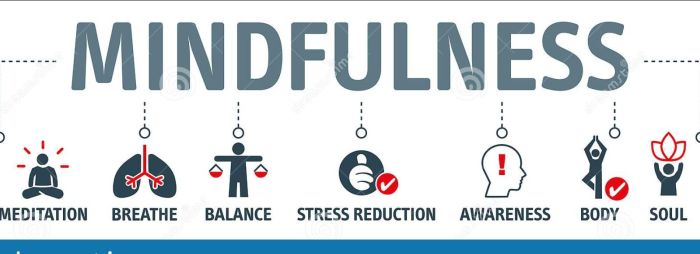
In summary, the Meditation And Mindfulness Course Overview serves as a comprehensive guide for anyone interested in enhancing their life through these powerful practices. With insights into historical context, practical techniques, and ongoing resources, you’re well-equipped to embark on your mindfulness journey. As meditation and mindfulness continue to evolve, this course ensures you stay ahead, ready to reap the benefits in all aspects of your life.
Question Bank
What is meditation?
Meditation is a practice that involves focusing the mind to achieve a mentally clear and emotionally calm state.
Who can benefit from mindfulness?
Anyone can benefit from mindfulness, including children, adults, and professionals looking to manage stress and improve focus.
Do I need prior experience to join the course?
No prior experience is needed; the course is designed for all skill levels.
How long should I meditate daily for the best results?
Even a few minutes daily can be beneficial, but aiming for 10-20 minutes is ideal for beginners.
Are there any recommended resources for further practice?
Yes, apps like Headspace and Calm, as well as various books and online communities, can support your practice beyond the course.