How Do I Practice Mindfulness Meditation sets the stage for diving into a practice that’s all about being present and tuning into your thoughts. This guide takes you through the history, core principles, and practical steps of mindfulness meditation, making it accessible for anyone looking to enhance their mental well-being. Whether you’re a beginner or looking to deepen your practice, there’s something here for you.
Mindfulness meditation has its roots in ancient traditions but has grown and adapted to fit modern life. By focusing on the present moment without judgment, you can reduce stress and improve your overall quality of life. So, if you’re curious about how to get started, keep reading as we break it all down in an easy-to-follow format.
The History and Origins of Mindfulness Meditation
Mindfulness meditation has a rich historical tapestry, weaving together threads from various ancient practices. Its roots are deeply embedded in spiritual traditions, particularly within Buddhism, where it serves as a vital component of the path toward enlightenment. Over centuries, the practice has transcended its religious origins and adapted to fit modern needs, emerging as a popular method for enhancing mental well-being and fostering a sense of presence in everyday life.The historical context of mindfulness meditation can be traced back to the teachings of the Buddha in the 5th century BCE.
The concept of “sati,” or mindfulness, is integral to the Four Noble Truths and the Eightfold Path in Buddhism. These teachings emphasize awareness and the importance of being present in each moment. As the practice spread across Asia, it absorbed various cultural influences, leading to diverse expressions of mindfulness found in Zen, Tibetan Buddhism, and other schools.
Evolution of Mindfulness in Modern Society
In recent decades, mindfulness meditation has undergone a significant transformation, transitioning from a spiritual practice to a secular tool embraced by people from all walks of life. This evolution is largely credited to key figures who recognized the need for mental health and well-being in contemporary society. One pivotal figure in this transformation is Jon Kabat-Zinn, who founded the Mindfulness-Based Stress Reduction (MBSR) program at the University of Massachusetts in 1979.
His approach integrated mindfulness meditation techniques into a clinical setting, presenting the practice as a therapeutic intervention. The success of MBSR in reducing stress and improving health outcomes sparked widespread interest in mindfulness practices across the West.Another influential text in the evolution of mindfulness is “The Miracle of Mindfulness” by Thich Nhat Hanh, a Vietnamese Zen master. Published in 1975, this book popularized mindfulness not only as a meditation technique but also as a way of life, emphasizing its application in daily activities.Through the integration of scientific research, mindfulness has gained credibility in psychology and medicine, leading to its adoption in schools, workplaces, and therapeutic settings.
Programs like Mindful Schools and the mindfulness movement in corporate environments showcase how this ancient practice has been tailored to meet the challenges of modern life.
“Mindfulness is a way of befriending ourselves and our experience.”
Jon Kabat-Zinn
The ongoing evolution of mindfulness meditation reflects a continuous dialogue between ancient wisdom and contemporary needs, highlighting its universal appeal in promoting mental health, emotional resilience, and a deeper connection to the present moment.
The Principles and Fundamentals of Mindfulness Meditation
Mindfulness meditation is all about being present and fully engaging with the moment. It’s a practice rooted in ancient traditions, often associated with Buddhism, but its core principles can benefit anyone, regardless of spiritual beliefs. Understanding the fundamentals and principles of mindfulness meditation sets the stage for a deeper, more meaningful practice that can enhance your emotional well-being and resilience.The foundational principles of mindfulness meditation revolve around awareness, acceptance, and intention.
By cultivating a non-judgmental awareness of your thoughts, feelings, and bodily sensations, you develop a better understanding of your inner landscape. This practice encourages acceptance of whatever arises in your experience, leading to a more profound sense of peace and clarity. Lastly, intention plays a pivotal role in directing your focus and energy towards the practice, enhancing its effectiveness.
Core Principles of Mindfulness Meditation
Mindfulness meditation is anchored in several core principles that shape the practice. Understanding these principles can help you engage more deeply with your meditation sessions.
- Present Moment Awareness: This principle emphasizes focusing on the here and now. Instead of dwelling on the past or worrying about the future, mindfulness invites you to fully experience the present moment.
- Non-Judgment: Mindfulness promotes an attitude of acceptance towards your experiences, free from judgment. This means noticing thoughts and feelings without labeling them as “good” or “bad.”
- Self-Compassion: Practicing mindfulness encourages kindness towards yourself. Recognizing your struggles without harsh self-criticism fosters a healthier relationship with your emotions.
- Curiosity: A sense of curiosity about your thoughts and feelings can deepen your mindfulness practice. Approaching your inner experience with an open mind invites exploration without the need for control.
Foundational Techniques in Mindfulness Meditation
Several foundational techniques are integral to mindfulness meditation practice. These techniques help to cultivate the principles and make the practice more accessible.
- Breath Awareness: This technique involves focusing on your breathing as a way to anchor your attention. Observing the natural rhythm of your breath can help ground you in the present moment.
- Body Scan: The body scan technique encourages you to mentally scan your body for areas of tension or discomfort. This practice promotes awareness of physical sensations and fosters relaxation.
- Mindful Observation: In this technique, you observe your thoughts, feelings, and surroundings without attachment. This can be done in various contexts, such as during a walk or while eating.
- Guided Meditation: Using recordings or apps to lead you through mindfulness practices can be beneficial, especially for beginners. Guided meditations offer structure and support as you develop your skills.
The Role of Intention and Focus in Mindfulness Meditation
Intention and focus are key components that can significantly enhance your mindfulness meditation practice. Setting a clear intention before starting your session can provide direction and clarity.Intention involves determining what you hope to achieve through your practice, whether it’s reducing stress, enhancing self-awareness, or fostering emotional resilience. This purpose can serve as a guiding light, reminding you of why you engage in mindfulness meditation.Focus, on the other hand, is about directing your attention to the present moment.
This could be your breath, bodily sensations, or an aspect of your surroundings. Practicing focus helps you become less reactive to distractions, allowing for a deeper immersion in the moment.
The effectiveness of mindfulness meditation is greatly influenced by the clarity of your intention and the quality of your focus.
Steps to Begin Practicing Mindfulness Meditation
Mindfulness meditation is a powerful tool for cultivating awareness and inner peace. For those just starting out, it may seem a bit daunting. However, with the right steps and a consistent approach, you can easily integrate mindfulness meditation into your daily routine. Let’s dive into the essentials of beginning your mindfulness journey.
Necessary Preparations and Setting
Creating the right environment is crucial for effective mindfulness meditation. A peaceful and comfortable setting can enhance your practice and help you focus better. Here are some key aspects to consider when preparing your space:
- Choose a Quiet Space: Select a location where you won’t be disturbed. This could be a corner of your room, a balcony, or even a quiet outdoor space.
- Comfortable Seating: Use a cushion, chair, or mat to sit on. Ensure it’s comfortable enough to support your posture during meditation.
- Minimize Distractions: Turn off your phone and other electronic devices. Consider using earplugs or white noise if background sounds are an issue.
- Set the Ambiance: Soft lighting and calming scents, like essential oils, can help create a serene atmosphere conducive to meditation.
- Establish a Routine: Choose a specific time of day for your practice. Consistency helps in building a habit.
Step-by-Step Guide to Start Meditating
Now that your space is set, here’s a straightforward guide to kickstart your mindfulness meditation practice:
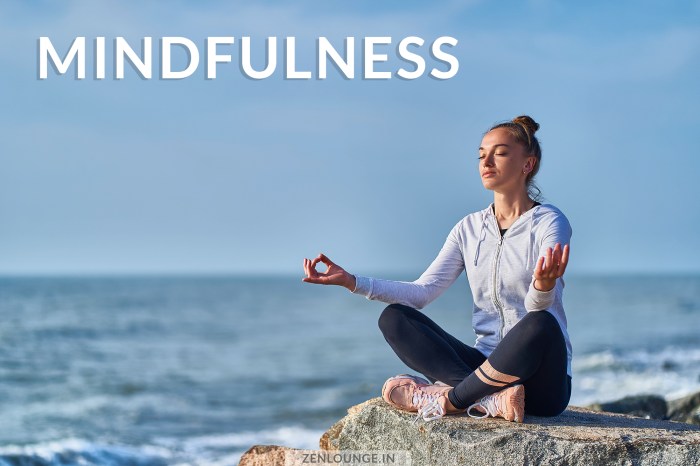
- Find a Comfortable Position: Sit down with your back straight but not rigid. You can cross your legs or keep your feet flat on the floor.
- Close Your Eyes: Gently close your eyes or lower your gaze to minimize visual distractions.
- Focus on Your Breath: Take a few deep breaths, inhaling through the nose and exhaling through the mouth. Then, let your breath return to its natural rhythm.
- Notice Your Thoughts: As you meditate, thoughts will arise. Acknowledge them without judgment and gently bring your focus back to your breath.
- Start with Short Sessions: Begin with 5-10 minutes of meditation. Gradually increase the duration as you become more comfortable with the practice.
Tips for Maintaining Consistency, How Do I Practice Mindfulness Meditation
Consistency is key to experiencing the full benefits of mindfulness meditation. Here are some tips to help you stay on track:
“Consistency breeds habit, and habit fosters growth.”
- Set Realistic Goals: Start with achievable goals like meditating once a day for five minutes, and gradually increase the time as you progress.
- Use Guided Meditations: Apps and online resources can provide structure and guidance, especially for beginners.
- Join a Community: Engaging with a group or finding a meditation buddy can motivate you to stay committed to your practice.
- Track Your Progress: Keep a journal to note your experiences and feelings post-meditation. This reflection can reinforce your practice.
- Be Kind to Yourself: It’s normal to miss a day or feel restless at times. Approach your practice with self-compassion.
Overcoming Common Challenges
Every beginner faces challenges in their meditation journey. Understanding these can help you navigate through any bumps along the way:
- Racing Thoughts: When your mind wanders, gently redirect your attention back to your breath. It’s part of the process.
- Physical Discomfort: If you experience discomfort, adjust your posture or try a different sitting position.
- Impatience: Growth in mindfulness takes time. Trust the process and enjoy the journey rather than focusing solely on the outcomes.
- Lack of Time: Even short sessions of meditation can be beneficial. Prioritize your practice like any other important task.
Different Types of Mindfulness Meditation Practices
Mindfulness meditation encompasses a variety of techniques and practices, each designed to enhance awareness and presence in the moment. Exploring different types allows individuals to find what resonates with them, thereby maximizing the benefits of their meditation practice. Understanding these various forms can also help tailor a routine that best fits personal needs and goals.
Breath Awareness
Breath awareness is one of the most fundamental mindfulness meditation practices. This technique focuses on the natural rhythm of the breath, helping practitioners anchor their attention and cultivate a sense of peace. By concentrating on the inhalation and exhalation, distractions fade away, leading to a deeper understanding of one’s thoughts and feelings.
“Breath awareness grounds us, providing a reliable point of focus amidst the chaos of daily life.”
The simplicity of this technique makes it ideal for beginners, as it requires no special equipment or environment. Practicing breath awareness can diminish anxiety, improve concentration, and promote emotional regulation.
Body Scan
The body scan practice involves systematically focusing attention on different parts of the body, from head to toe. This technique encourages individuals to notice physical sensations, tension, or discomfort, fostering a deep connection between mind and body.
“The body scan allows us to become more attuned to our physical presence, promoting relaxation and reducing stress.”
This practice is particularly beneficial for those who experience chronic pain or high levels of stress. By acknowledging and releasing tension, the body scan can enhance overall well-being and cultivate a sense of relaxation.
Loving-Kindness Meditation
Loving-kindness meditation, or “Metta” meditation, focuses on cultivating feelings of compassion and love towards oneself and others. Practitioners typically repeat phrases that express goodwill, gradually expanding their circle of compassion from loved ones to acquaintances and even difficult individuals.
“Loving-kindness meditation fosters a sense of connection and reduces feelings of isolation.”
This technique has been shown to increase positive emotions and decrease negative feelings, making it particularly effective for those struggling with anger or resentment. It’s a great practice to integrate into your routine when seeking to enhance your emotional health and interpersonal relationships.
Mindful Walking
Mindful walking is an active form of meditation that merges physical movement with mindfulness. It focuses on the sensations of walking, such as the feeling of the ground beneath the feet, the rhythm of the breath, and the sights and sounds of the environment.
“Mindful walking engages both body and mind, offering a dynamic alternative to seated meditation.”
This practice is perfect for those who find it challenging to sit still for extended periods. It promotes physical health while also grounding the mind in the present moment, making it particularly useful during stressful times or when feeling restless.
Guided Meditation
Guided meditation involves following a narration or script led by an instructor or recorded audio. This technique can introduce various themes, such as relaxation, healing, or exploration of emotions, making it accessible for individuals of all experience levels.
“Guided meditation serves as a helpful tool for those new to mindfulness, providing structure and direction.”
It’s especially effective for beginners who benefit from clear instructions. Guided sessions can also be tailored to specific goals, such as stress relief or enhancing focus, making it a versatile option.
Zen Meditation (Zazen)
Zen meditation, or Zazen, is a seated practice that emphasizes stillness and observing thoughts without attachment. Practitioners typically sit on a cushion in a specific posture, focusing on their breath or a koan—a paradoxical question or statement used for contemplation.
“Zazen cultivates a deep state of awareness and insight, allowing practitioners to explore the nature of their thoughts.”
This type of meditation is ideal for those seeking to deepen their practice and gain a more profound understanding of their mind. It can be particularly rewarding for those interested in the philosophical aspects of meditation.
The Science Behind Mindfulness Meditation and Its Benefits
Mindfulness meditation has gained traction in recent years, not just as a trendy practice but as a scientifically-backed approach to enhancing mental and physical health. The profound effects of this practice extend beyond mere relaxation, revealing a multitude of psychological and physiological benefits that contribute to overall well-being.Research has shown that mindfulness meditation significantly impacts our mental health by reducing levels of stress and anxiety.
Studies utilizing brain imaging technology have demonstrated alterations in brain activity associated with improved emotional regulation and resilience. For instance, participants in an eight-week mindfulness program showed increased gray matter density in the hippocampus, the brain area linked to memory and learning, as well as in regions associated with self-awareness and compassion.
Psychological Benefits of Mindfulness Meditation
Engaging in mindfulness meditation fosters a healthier mental state by providing tools to cope with the challenges of daily life. The practice cultivates present-moment awareness, allowing individuals to observe their thoughts and feelings without judgment. This can lead to:
-
Reduced anxiety levels: Regular practice has been linked to lower anxiety, helping individuals manage their worries more effectively.
-
Enhanced emotional regulation: Mindfulness enables better control over emotional responses, leading to a decreased likelihood of emotional outbursts.
-
Improved focus and concentration: Training the mind through meditation can enhance attention spans and cognitive performance.
The psychological benefits of mindfulness are evident in various studies. For example, a meta-analysis of multiple research studies indicated that mindfulness-based interventions led to moderate reductions in anxiety and depression symptoms, showcasing its effectiveness as a therapeutic tool.
Physiological Benefits of Mindfulness Meditation
Beyond mental health, mindfulness meditation also offers substantial physiological advantages. Regular practice can lead to notable changes in physical health markers, including:
-
Lower blood pressure: Mindfulness has been shown to help lower blood pressure, promoting cardiovascular health.
-
Decreased cortisol levels: Practitioners often experience a reduction in cortisol, the stress hormone, contributing to lower stress levels.
-
Enhanced immune function: Some studies suggest that mindfulness may boost the immune response, making the body more resilient to illness.
For instance, a study published in the journal Health Psychology found that individuals who practiced mindfulness meditation experienced significant improvements in immune function compared to those who did not practice meditation. These findings suggest that mindfulness not only impacts mental well-being but also supports physical health.
Overall Well-Being and Quality of Life
The cumulative effects of mindfulness meditation can lead to a profound enhancement in overall quality of life. Practitioners often report:
-
Increased life satisfaction: Individuals practicing mindfulness often find greater fulfillment and happiness in everyday experiences.
-
Improved relationships: Enhanced emotional regulation and empathy can improve interpersonal interactions, leading to healthier relationships.
-
Better coping mechanisms: Mindfulness equips individuals with strategies to handle life’s challenges with grace and resilience.
This holistic approach to mental and physical health demonstrates that mindfulness meditation is more than just a relaxation technique; it is a gateway to a better life. By fostering awareness and acceptance, mindfulness meditation empowers individuals to live more fully and authentically in the present moment, ultimately enriching their overall experience of life.
Integrating Mindfulness Meditation into Daily Life
Incorporating mindfulness meditation into your daily routine doesn’t have to be a daunting task. With a few practical strategies, you can seamlessly weave mindfulness into your busy life, making each moment more fulfilling and centered. Let’s explore how to make mindfulness a natural part of your day, regardless of your commitments.Mindfulness is about being present and fully engaged in the moment, whether you’re sipping your morning coffee or commuting to work.
Practicing mindfulness during everyday activities can help cultivate awareness and reduce stress without needing to carve out extensive time for formal meditation. By recognizing opportunities throughout your day, you can integrate mindfulness into nearly every aspect of your life.
Practical Strategies for Incorporating Mindfulness
Understanding how to incorporate mindfulness can transform mundane tasks into moments of peace. Here are some strategies to help you get started:
- Mindful Mornings: Start your day with a few moments of mindfulness. As you wake up, take deep breaths and set an intention for the day.
- Breath Awareness: Throughout the day, take short breaks to focus exclusively on your breath. Just a minute of deep breathing can help clear your mind.
- Mindful Eating: Instead of rushing through meals, take time to savor each bite. Notice the flavors, textures, and aromas of your food.
- Mindful Commute: If you use public transport, try focusing on the sensations around you—the sound of the train or the feeling of the wind against your skin.
- Mindful Walking: Turn simple walks into mindfulness sessions by paying attention to your steps, the ground beneath your feet, and the environment around you.
Integrating mindfulness doesn’t require long sessions; small, consistent practices can lead to significant changes in your mindset and stress levels.
Designing a Daily Mindfulness Meditation Plan
Creating a mindfulness meditation schedule that works for your lifestyle doesn’t have to be complicated. Here’s a simple plan tailored for various routines:
| Time of Day | Duration | Activity |
|---|---|---|
| Morning | 5-10 minutes | Focus on breath and set intentions for the day. |
| During Work | 1-2 minutes | Take mindful breaks to breathe and stretch. |
| Lunch | 10 minutes | Practice mindful eating; savor each bite. |
| Evening | 5-15 minutes | Reflect on your day and focus on gratitude. |
| Before Bed | 5 minutes | Wind down with a body scan meditation. |
This flexible plan allows you to tailor your mindfulness practice based on your available time, ensuring that you can continue to cultivate awareness and reduce stress throughout your day.
“Mindfulness isn’t about getting rid of your thoughts; it’s about being aware of them without judgment.”
Common Obstacles and Misconceptions About Mindfulness Meditation
Mindfulness meditation has gained popularity as a tool for enhancing well-being and reducing stress, but along with its rise, several misconceptions and obstacles have emerged. Understanding these can empower individuals to navigate their mindfulness journey more effectively. This section sheds light on common misunderstandings and challenges faced by practitioners, along with practical solutions to enhance the meditation experience.
Misconceptions About Mindfulness Meditation
Despite its growing acceptance, many people hold misconceptions about what mindfulness meditation entails. Debunking these myths is crucial to fostering a genuine practice.
- Mindfulness requires emptying the mind: Many believe that the goal of meditation is to have a completely blank mind. In reality, mindfulness is about observing thoughts without judgment, rather than eliminating them.
- It’s only for the highly spiritual: Some people think mindfulness is tied to specific religious practices. However, mindfulness can be practiced by anyone, regardless of their spiritual background, as it’s a secular practice focusing on present-moment awareness.
- You need a lot of time: There’s a common belief that you must meditate for long periods to see benefits. Just a few minutes daily can make a significant difference in mental clarity and emotional stability.
- Mindfulness is a quick fix: While mindfulness can bring immediate relief, it is not a one-time solution for deeper issues. It requires consistent practice to cultivate lasting change.
Obstacles Faced in Mindfulness Practice
Practicing mindfulness meditation can be challenging, and various obstacles may arise. Identifying these challenges is the first step in overcoming them.
- Restlessness: It’s common to feel restless or anxious during meditation. A solution is to start with shorter sessions and gradually increase the duration as comfort grows.
- Difficulty focusing: Losing focus is normal, especially for beginners. Returning attention gently to the breath or a mantra can help ground the practice.
- Self-judgment: Many practitioners struggle with feelings of inadequacy. Remember that meditation is a personal journey, and it’s important to practice self-compassion and patience.
- External distractions: Noise and interruptions can disrupt meditation. Creating a dedicated space for practice or using calming background sounds can mitigate these distractions.
Approaching Setbacks with Positivity
Setbacks are a natural part of any practice, including mindfulness meditation. Taking a positive approach can help in navigating these bumps in the road.
- Embrace imperfection: Accept that not every session will feel perfect. Recognizing that each experience contributes to growth can help foster resilience.
- Reflect on progress: Periodically reviewing how far you’ve come can provide motivation. Journaling about your meditation experiences can illuminate progress and challenges.
- Reconnect with your intention: Reminding yourself of why you started practicing can reignite your commitment. Whether it’s stress relief, self-discovery, or emotional balance, reconnecting with your initial motivation can boost enthusiasm.
- Seek community support: Engaging with a community of fellow practitioners can provide encouragement and shared experiences, making the journey less isolating.
“Mindfulness is not about getting anywhere else. It’s about being where you are.” – Jon Kabat-Zinn
Advanced Techniques and Resources for Mindfulness Meditation
For those who have dipped their toes into mindfulness meditation and are seeking to deepen their practice, there are advanced techniques and resources that can truly elevate your experience. Mindfulness is a vast field, and as you develop your skills, it’s essential to explore new methods, tools, and supportive environments that can enhance your journey.One way to take your practice to the next level is by delving into advanced techniques that challenge you while still cultivating that mindful awareness.
It’s crucial to keep pushing your limits and exploring different aspects of meditation to find what resonates with you personally.
Advanced Mindfulness Techniques
Advanced mindfulness meditation techniques build on the foundational practices you’ve already established. Here are a few methods that experienced practitioners often explore:
- Body Scan Meditation: This technique involves mentally scanning your body from head to toe, paying attention to any sensations, tensions, or relaxations. It helps in developing a deeper awareness of physical presence and encourages letting go of stress.
- Open Awareness: Instead of focusing on a single object, this technique involves observing thoughts, feelings, and sensations as they arise without attachment. It fosters a more expansive awareness of your immediate experience.
- Mindfulness in Daily Activities: Integrating mindfulness into everyday tasks, such as eating or walking, enhances your ability to stay present and aware throughout the day, allowing for a continuous practice.
- Guided Visualizations: Using imagery to evoke feelings of peace and relaxation can deepen your meditation experience. This technique can transport you to calming environments, enriching your mindfulness practice.
- Metta (Loving-kindness) Meditation: This technique involves silently repeating phrases of goodwill and kindness towards yourself and others, which cultivates compassion and emotional resilience.
Books, Apps, and Online Courses
Exploring additional resources can significantly enhance your mindfulness practice. Here’s a selection of books, apps, and online courses that cater to advanced practitioners:
- Books:
- The Miracle of Mindfulness by Thich Nhat Hanh – A classic on mindfulness that delves into various techniques and approaches.
- Radical Acceptance by Tara Brach – This book combines mindfulness with self-acceptance strategies.
- Mindfulness in Plain English by Bhante Henepola Gunaratana – A straightforward guide that demystifies meditation while providing practical advice.
- Apps:
- Headspace: Offers guided meditations and mindfulness practices tailored to various levels.
- Insight Timer: Features a broad community and a vast library of guided meditations and talks from experienced teachers.
- Calm: A great resource for sleep stories, meditation music, and guided mindfulness exercises.
- Online Courses:
- Mindfulness-Based Stress Reduction (MBSR): A popular program that teaches mindfulness meditation skills to reduce stress and improve overall well-being.
- Coursera and Udemy: Offer various courses on mindfulness and meditation from renowned instructors.
The Role of Mindfulness Retreats and Workshops
Participating in mindfulness retreats and workshops offers a unique opportunity to deepen your practice in a supportive environment. These events typically provide an immersive experience away from daily distractions, allowing practitioners to fully engage with their meditation practice. Retreats can range from weekend getaways to longer residential programs and often include guided meditations, workshops, and group discussions. They foster community support and can introduce you to new techniques and insights from experienced teachers.
Attending a retreat allows for an intense focus on mindfulness, offering a chance to explore deeper layers of self-awareness and clarity. It’s also a great way to meet like-minded individuals who share your passion for mindfulness, creating lasting connections that can enhance your ongoing practice.
“Meditation is not about stopping thoughts, but recognizing that they are just thoughts and letting them pass.”
Conclusion: How Do I Practice Mindfulness Meditation
In conclusion, practicing mindfulness meditation can be a game changer for your mental health and daily routine. By understanding its history, principles, and methods, you can seamlessly integrate this practice into your life, benefiting from its profound effects. Remember, the journey of mindfulness is personal, and every little step counts towards a calmer and more focused you.
Clarifying Questions
What is mindfulness meditation?
Mindfulness meditation is a practice that involves focusing your attention on the present moment while acknowledging and accepting your thoughts and feelings without judgment.
Do I need to sit in silence for mindfulness meditation?
No, while sitting quietly can be beneficial, you can practice mindfulness in various activities like walking or even eating, by paying attention to your experiences in the moment.
How long should I meditate each day?
Starting with just 5 to 10 minutes a day is great for beginners, and you can gradually increase the duration as you get more comfortable.
Can mindfulness meditation help with anxiety?
Yes, numerous studies suggest that mindfulness meditation can help reduce anxiety by improving your ability to regulate emotions and manage stress.
Is mindfulness meditation suitable for everyone?
Generally, yes! Mindfulness meditation can be adapted to fit different needs and lifestyles, making it accessible for people of all backgrounds.